Sundarbans National Park, Bangladesh
The Sundarbans National Park, a sprawling labyrinth of tidal waterways and lush mangrove forests, is more than just a destination it’s an expedition into one of the last untouched frontiers on earth. Spanning the coastal belt of southwestern Bangladesh, this UNESCO World Heritage Site is where the land surrenders to the sea, and life thrives against all odds.
Into the Heart of the Mangroves:
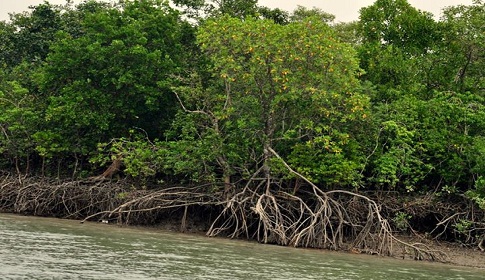

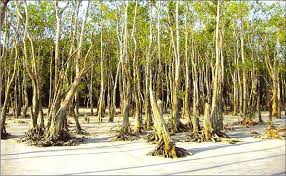
As your boat glides over glassy waters, you enter a world where time slows down. The dense foliage of Sundari, Gewa, and Goran trees line the banks, their gnarled roots creating an otherworldly maze. The soundscape is rich: the splash of jumping fish, the screech of herons, and the occasional rustle that may herald the passing of a crocodile or tiger in the undergrowth.
The Realm of the Royal Bengal Tiger:


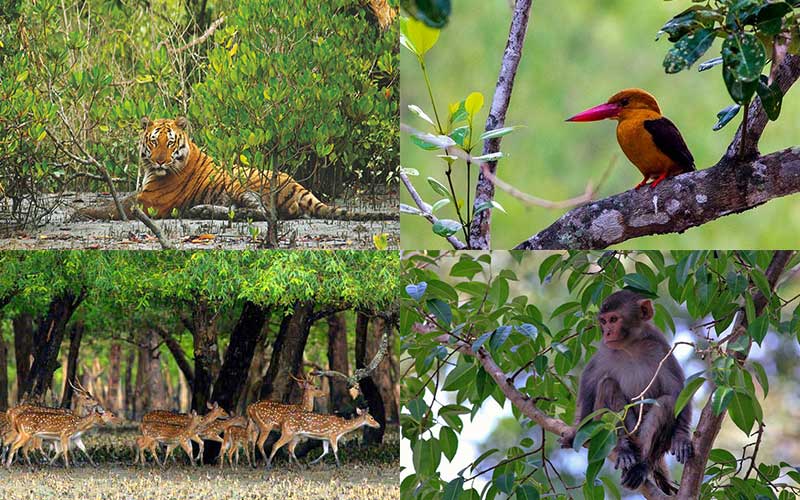
The Sundarbans is the last stronghold of the elusive Royal Bengal tiger, a master of camouflage in this watery landscape. Unlike their inland cousins, these tigers are adept swimmers and have adapted to hunt in the mangrove ecosystem. While sightings are rare, the thrill of knowing they are near adds an electric undercurrent to every journey.
A Symphony of Species:
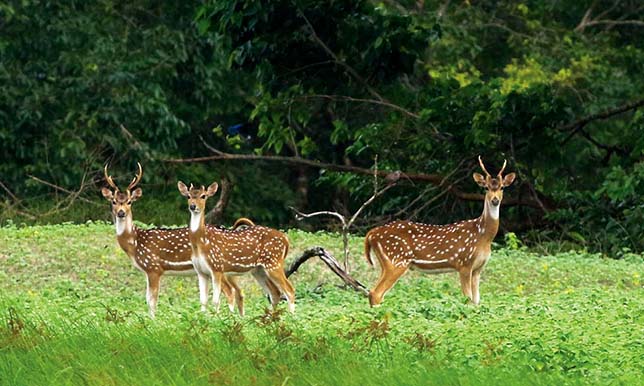

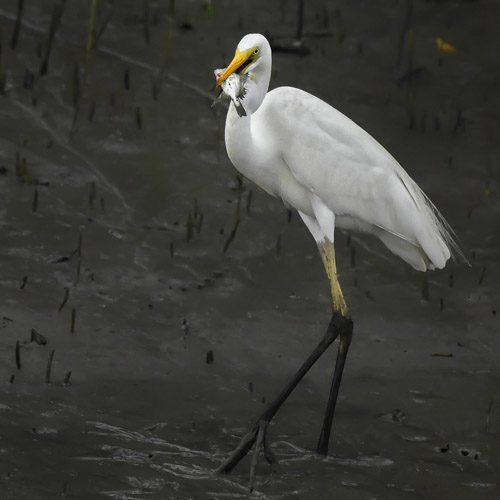

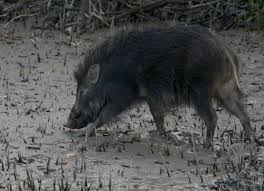

Beyond the tiger, the Sundarbans hosts an astounding array of life: saltwater crocodiles, smooth-coated otters, spotted deer, wild boar, water monitor lizards, and an astonishing variety of birds. From the melodic call of the black-hooded oriole to the haunting echo of the fishing eagle, bird lovers find themselves in paradise. Endangered species like the river terrapin and Ganges dolphin underscore the area’s global ecological importance.
Cultural Echoes of the Forest:
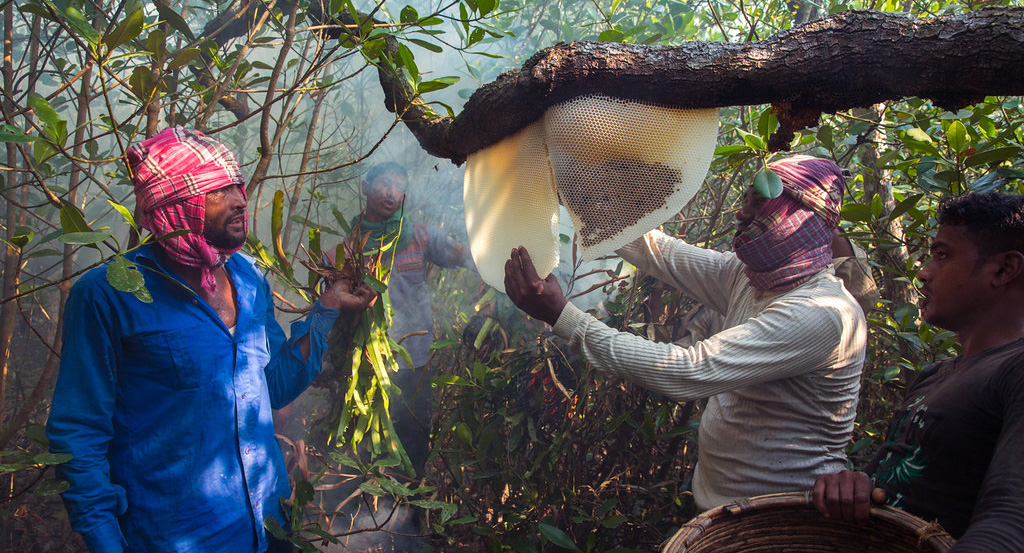

The Sundarbans is not only about wildlife; it is also about people. Local communities have lived for centuries in tandem with the tides. Watch honey collectors brave tiger territory, hear the myths of Bonbibi the forest goddess worshipped by Hindus and Muslims alike and visit fishing villages where life moves with the moon and river.
Experiencing the Sundarbans:
🔹 Boat Safaris: The ultimate way to explore Sundarbans is by embarking on a multi-day boat safari, complete with cozy cabins, delicious Bengali meals, and expert guides who know the forest’s secrets.
🔹 Watchtowers and Camps: Visit spots like Kotka, Hiron Point, and Dublar Char to climb watchtowers and observe wildlife in their natural habitat.
🔹 Eco-lodges: Stay at sustainable lodges in Mongla or near Khulna that support conservation and local communities.
Best Time to Visit:
Plan your trip between November and February when the weather is cool, the sky is clear, and wildlife sightings are at their best. Access the region via Khulna or Mongla, and always travel with authorized guides to ensure both safety and sustainability.
To visit the Sundarbans is to stand on the threshold between myth and reality. It’s a place where nature reveals its raw, uncompromising beauty and where each moment feels like a step into a living legend. Whether you are an adventurer, a poet, or a seeker of quiet, the Sundarbans will leave its mark on your heart forever.



 2 Nights - 3 Days