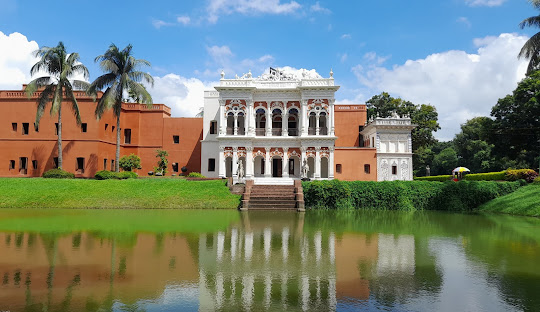
Sonargaon – The Ancient Capital of Bengal
The historic city of Sonargaon is a great place to explore the past. Known as the “Golden Village,” Sonargaon was once the capital of eastern Bengal and an important center for trade, art, and politics. Today, its old buildings, colorful traditions, and beautiful scenery make it one of the most interesting places to visit in Bangladesh.
❑ A Journey Through History:
Sonargaon’s history spans over 800 years. It rose to prominence in the 13th century under the Hindu Deva dynasty and later flourished under the independent Sultanate of Bengal. The city gained legendary status during the reign of Sultan Fakhruddin Mubarak Shah (1338–1349), who made it his capital.
As the centuries passed, Sonargaon became an important commercial hub connecting Bengal to China, Arabia, Persia, and Europe. It was particularly famous for the production and export of Muslin — a fine, handwoven cotton fabric that was coveted by royals and merchants worldwide.
During the Mughal era, Sonargaon was incorporated into the empire, but over time, political power shifted to Dhaka, and Sonargaon gradually declined. However, its cultural and artistic legacy remains alive, making it a living museum of Bengal’s past.
Main Attractions in Sonargaon.Here is a deeper look into the main sites you shouldn’t miss:
❑ Panam Nagar (Panam City):
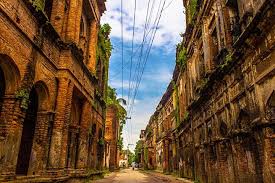
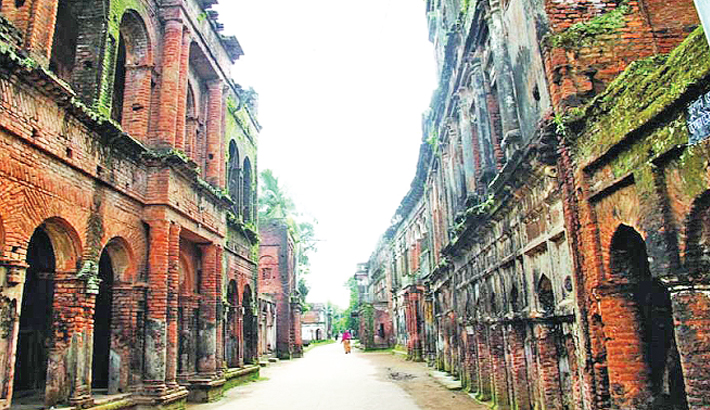
Arguably the crown jewel of Sonargaon, Panam Nagar is an abandoned merchant town dating back to the late 19th and early 20th centuries. Built by wealthy Hindu merchants during British colonial rule, Panam Nagar has about 50 mansions lined along a narrow, cobbled street.
The architecture is a captivating blend of Mughal, colonial, and European styles — you’ll see Greek columns, Mughal arches, intricate balconies, and crumbling brick facades covered in moss. Panam Nagar’s quiet atmosphere evokes both nostalgia and mystery, making it a favorite for photographers and history lovers.
❑ Goaldi Mosque:
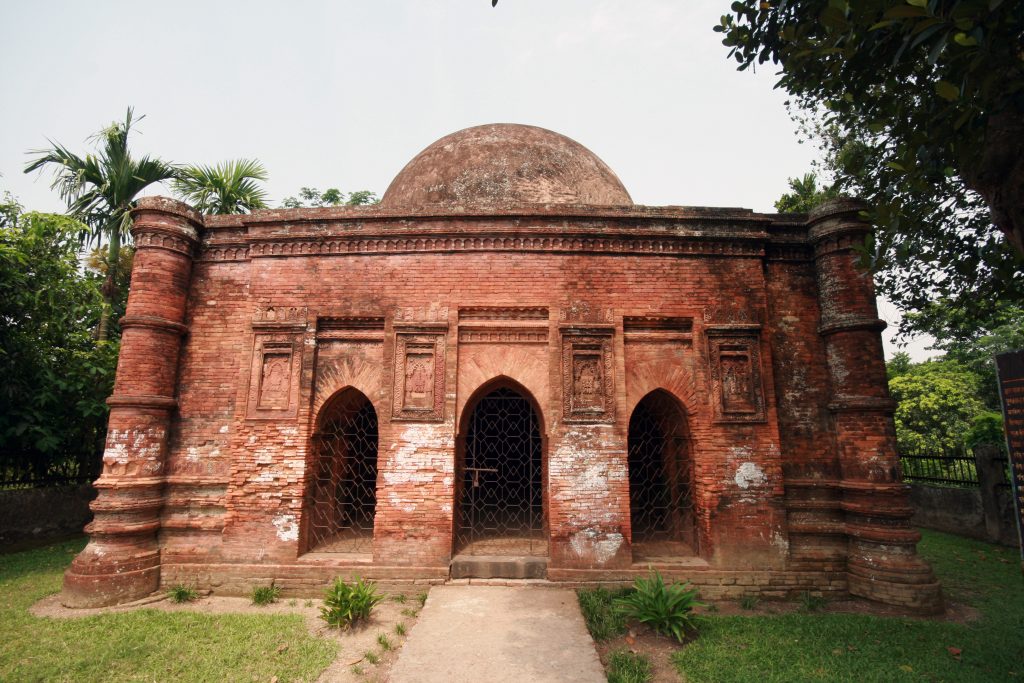
About 1 km from Panam Nagar, you’ll find the Goaldi Mosque, a stunning relic from the Sultanate period. Built in 1519 during the reign of Sultan Alauddin Husain Shah, it features a single dome, curved cornices, and delicate terracotta floral designs. The mosque is one of the few remaining examples of pre-Mughal Islamic architecture in Bangladesh and is an absolute must-visit.
❑ Sonargaon Folk Art and Craft Museum:
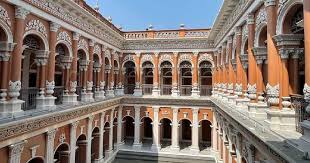
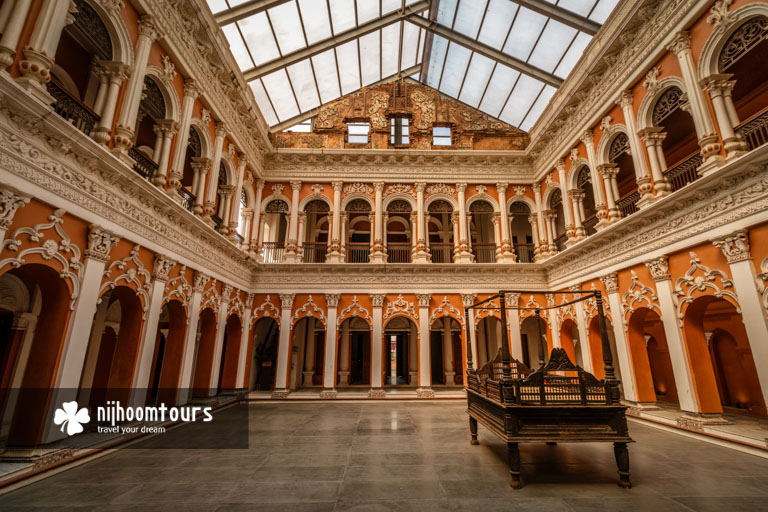
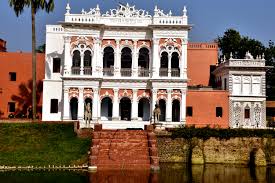
Housed in the beautifully restored Sardar Bari mansion, this museum showcases Bangladesh’s vibrant folk heritage. You’ll find an impressive collection of:
🔹 Nakshi kantha (embroidered quilts)
🔹 Terracotta dolls and plaques
🔹 Brass and silver crafts
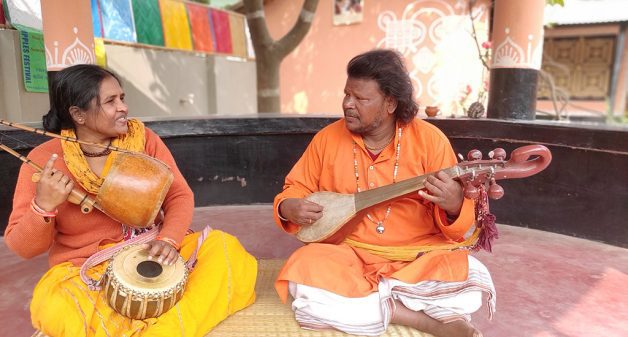
🔹 Musical instruments like ektara and dhol
🔹 Traditional boats and fishing t ools
The museum grounds are tranquil, with ponds, flowering gardens, and trees, making it a peaceful spot for families and couples alike.
❑ Isa Khan’s Fort and Tomb:
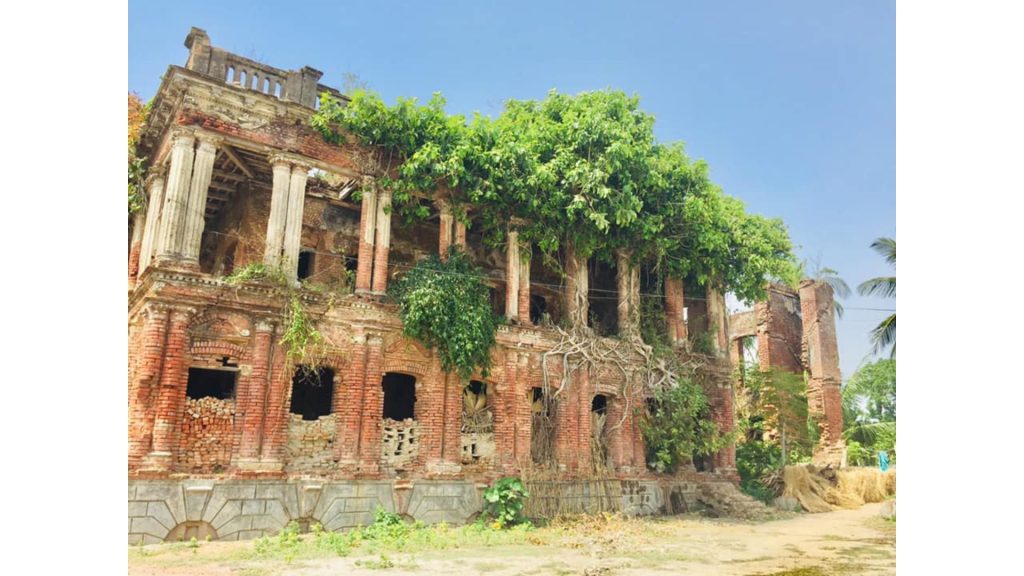
Isa Khan, the legendary local chieftain and leader of the Baro Bhuiyan (Twelve Lords), fiercely resisted the Mughals in the late 16th century. His fort and tomb complex still stands near Sonargaon, though partly in ruins. Walking here offers a glimpse into Bengal’s warrior past.
❑ Nature and River Life:
Sonargaon is not just about history its natural beauty is equally captivating. The surrounding countryside is dotted with rivers, ponds, and lush green fields.
🔹 Take a boat ride on the Meghna or Shitalakhya rivers, where you can watch fishermen at work, locals bathing cattle, or children playing along the banks.
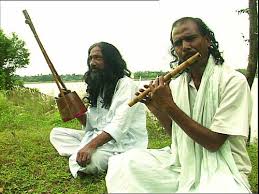
🔹 Visit Baul musicians in nearby villages, known for their mystical songs and simple lifestyles.
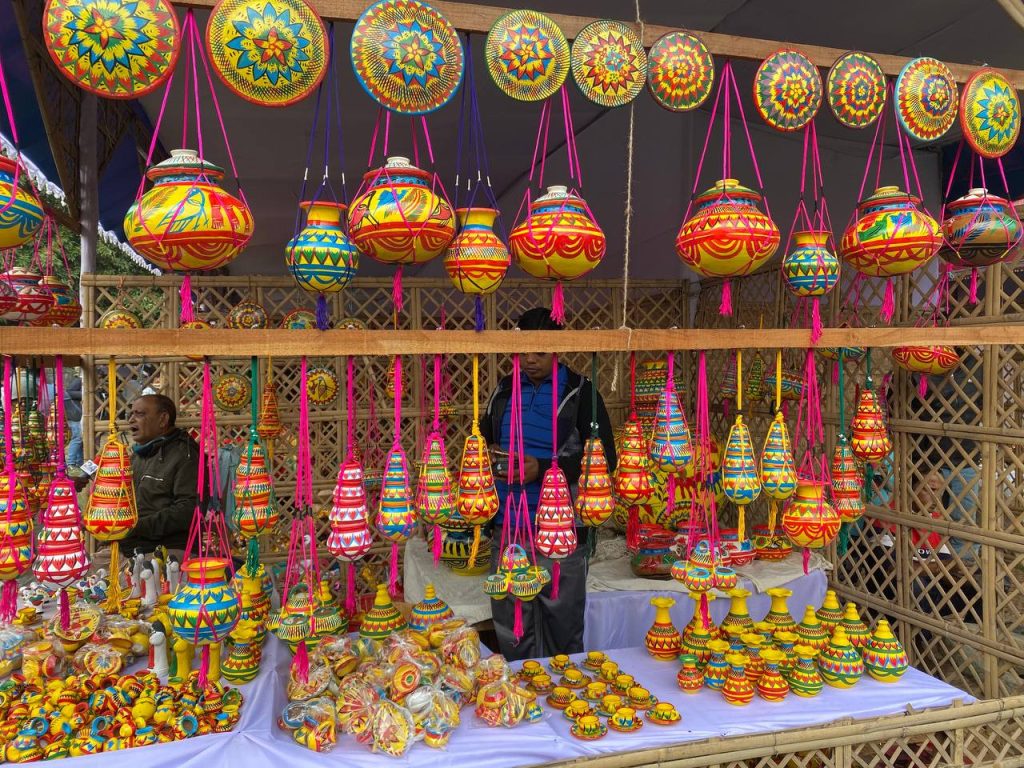
🔹 Explore the village markets, where you can observe local craftspeople weaving baskets, making pottery, or selling fresh produce.
❑ Food & Souvenirs:
A trip to Sonargaon isn’t complete without tasting some local flavors:
🔹 Pithas (rice cakes) — especially during winter
🔹 Jhalmuri (spiced puffed rice)
🔹 Freshwater fish curries at roadside eateries
For souvenirs, look for:
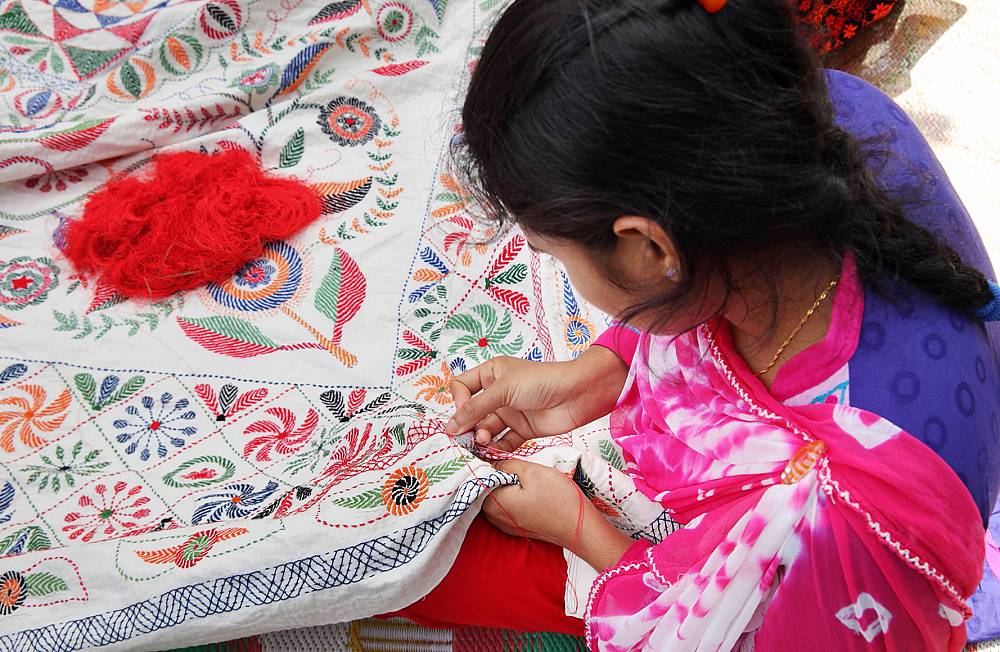
🔹 Nakshi kantha embroidery
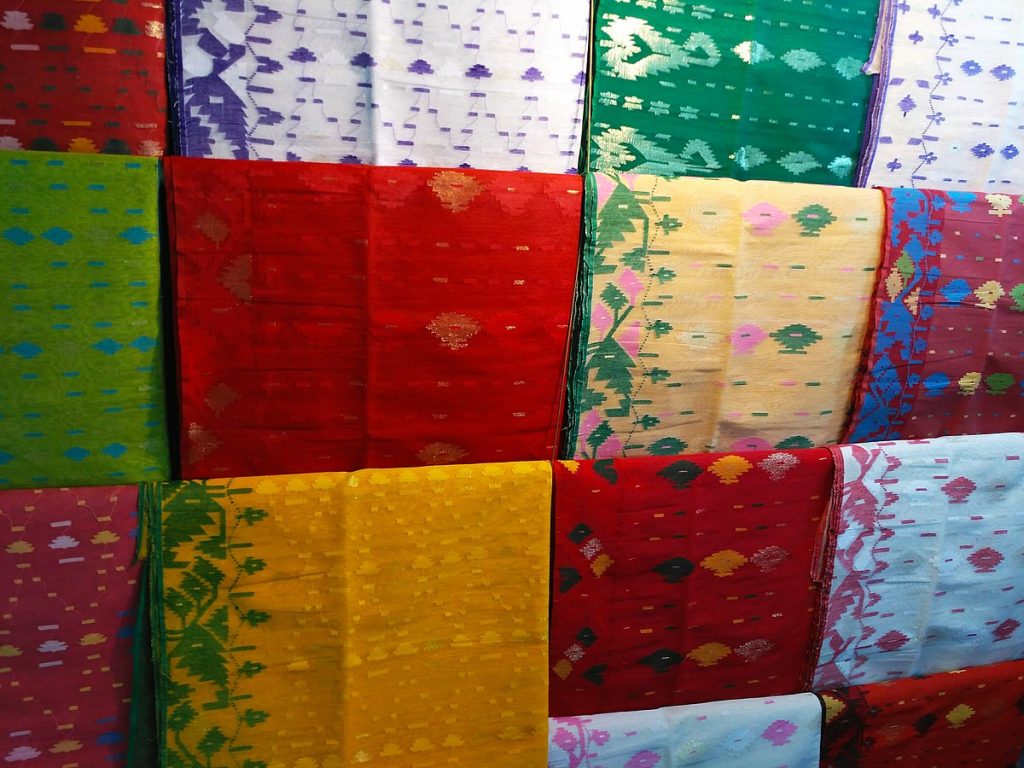
🔹 Handwoven fabrics
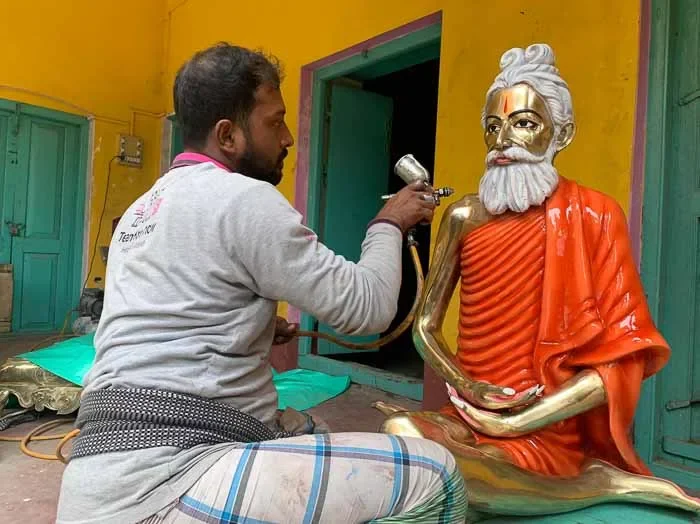
🔹 Brass and terracotta figurines
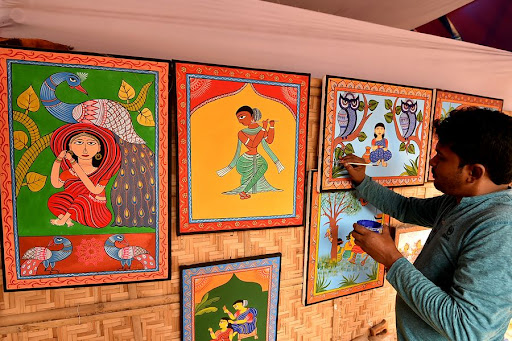
🔹 Folk art paintings
Buying from local vendors helps preserve traditional crafts and supports rural artisans.
❑ When to Visit:
🔹 Best time: November–February (cool and dry)
🔹 Avoid: June–September (monsoon; flooding can limit access)
❑ Travel Tips:
🔹 Wear comfortable shoes — you’ll walk a lot, especially in Panam Nagar.
🔹 Bring cash, as card facilities are limited.
🔹 Carry water and sun protection.
🔹 Hire a local guide for deeper insights into the history and architecture.
🔹 Respect local customs, especially when visiting mosques or religious sites.
Sonargaon is more than just a historical destination — it’s a bridge between past and present, where ancient ruins stand alongside living traditions. Whether you’re wandering through the abandoned streets of Panam Nagar, admiring folk crafts, or enjoying a quiet river sunset, Sonargaon promises an experience rich in history, culture, and heart.



 2 Nights - 3 Days