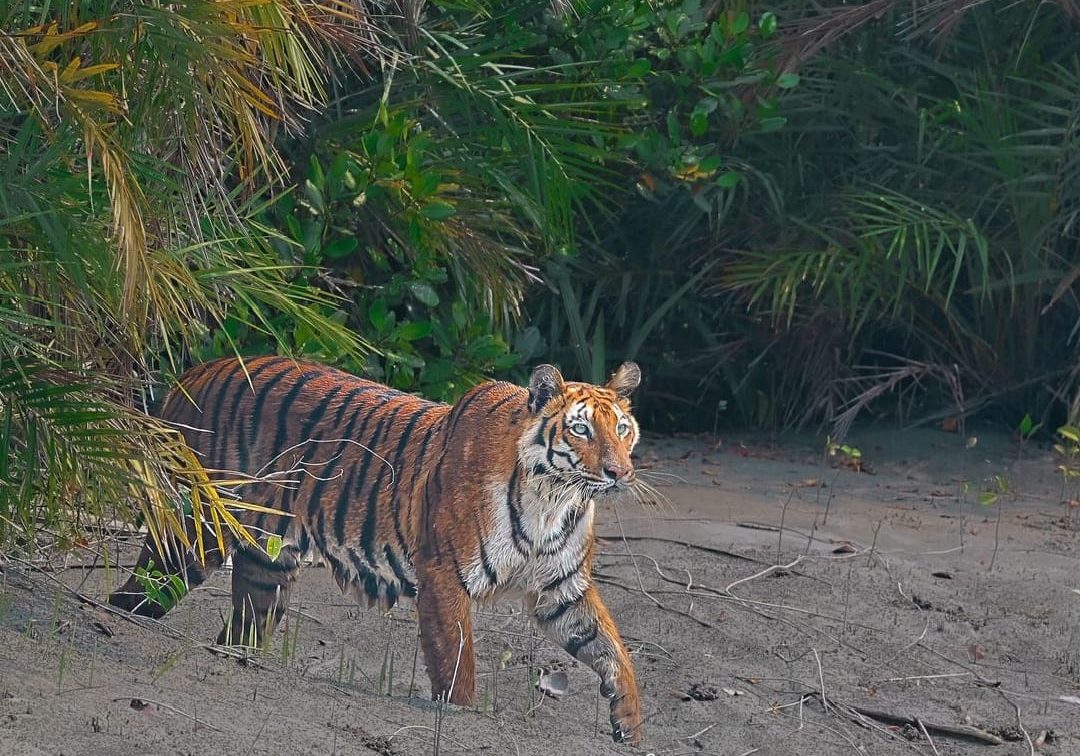
Royal Bengal Tiger
The Royal Bengal Tiger, commonly known as the Bengal Tiger, has the scientific name Panthera tigris tigris. It is one of the most famous and powerful large carnivores in Asia.
The tigers of theSundarbans have some unique characteristics because of the environment they live in. The Sundarbans is a challenging habitat with saline mangrove forests, rivers, narrow canals, mudflats, and tidal waterways. Over time, these tigers have adapted well to this difficult environment, making them a remarkable part of the Sundarbans ecosystem.
Characteristics of the Tiger:
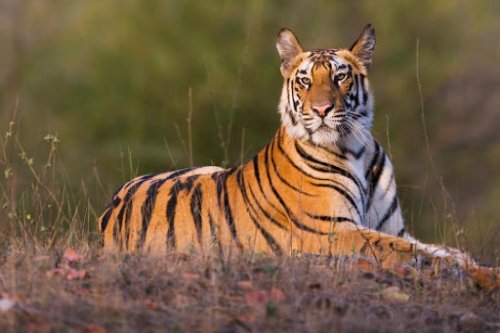
The tiger is a powerful carnivorous animal known for its strength, sharp teeth, and strong claws. It mainly hunts animals such as deer, wild boar, buffalo, monkeys, and other smaller animals. Tigers usually live for around 10–15 years in the wild, while those in captivity can live for 20 years or more. One of their most distinctive features is the pattern of black stripes on their bodies, which is unique to each tiger. Tigers generally live alone and rely on their strength, speed, and ability to move quietly when hunting. The Royal Bengal Tiger, found in the Sundarbans of Bangladesh, is the national animal of Bangladesh and an important symbol of the country’s natural heritage.
Why Are Sundarbans Tigers Special?
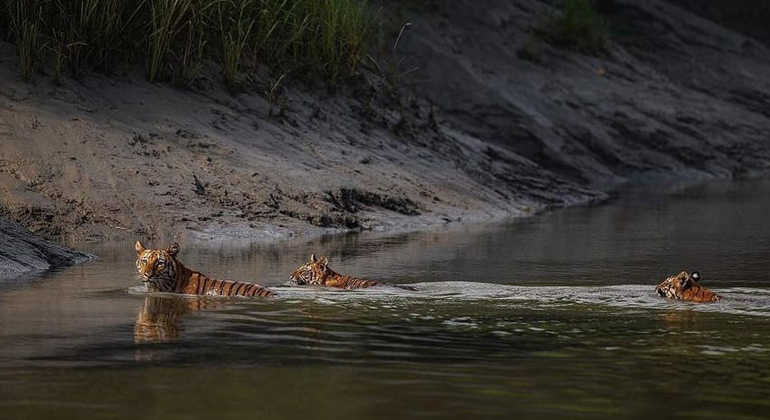
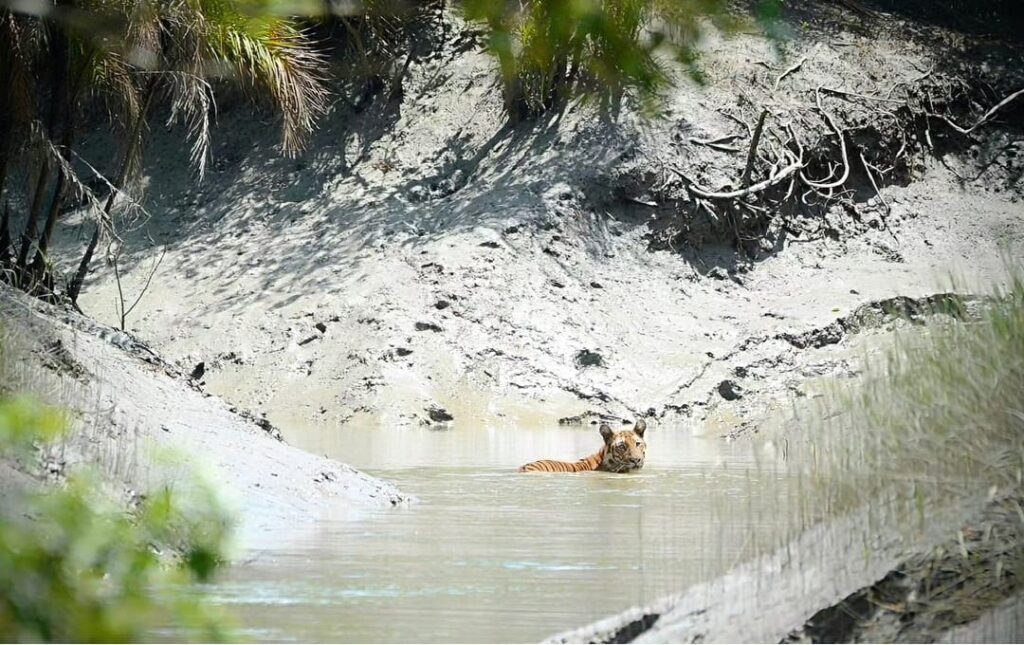
One of the most unique features of the Royal Bengal Tigers in the Sundarbans is their excellent swimming ability. The Sundarbans is covered with many rivers, canals, and islands, so tigers often swim through the water to move between islands or search for prey. This ability helps them survive and adapt to the unique mangrove environment of the Sundarbans.
Why Is the Sundarbans Important for Tigers?
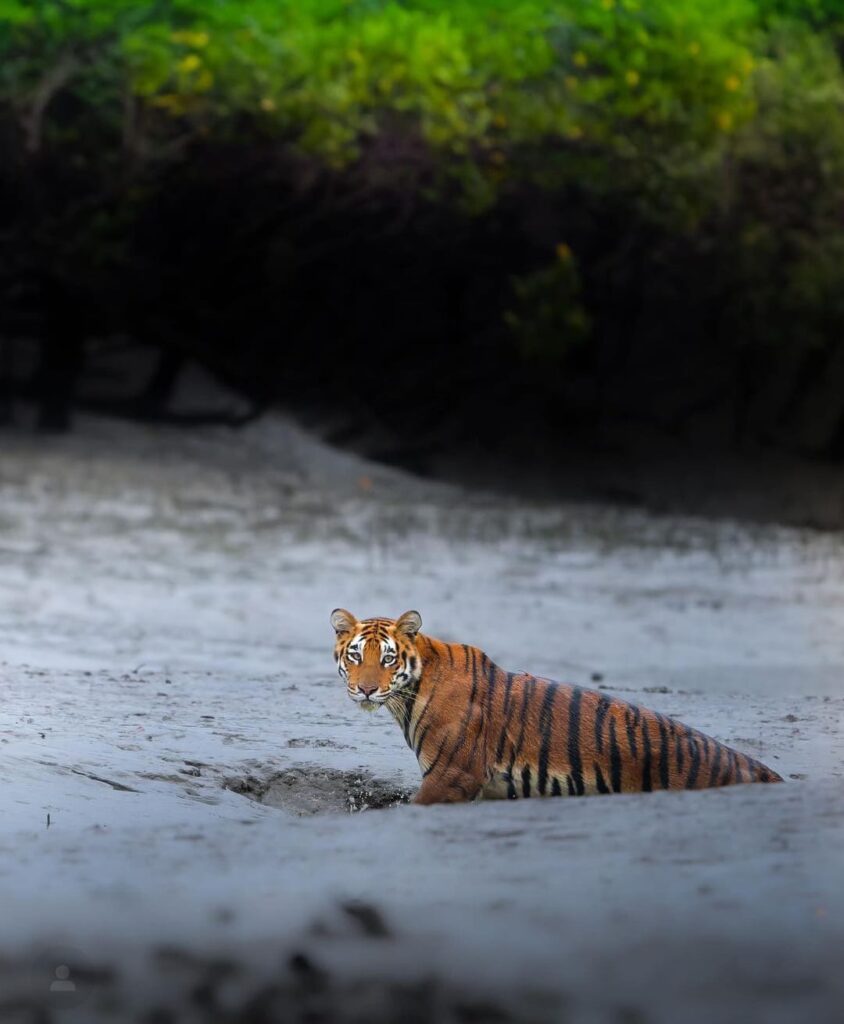
The Sundarbans provides a natural and suitable habitat for Royal Bengal Tigers. Its dense mangrove forests, rivers, canals, mudflats, and wetlands create a unique environment for wildlife. Animals such as spotted deer and wild boar provide an important food source for tigers. The rich biodiversity of the forest also supports the overall ecosystem. Therefore, the Royal Bengal Tiger is not only an important species of the Sundarbans but also a vital part of its natural ecosystem.
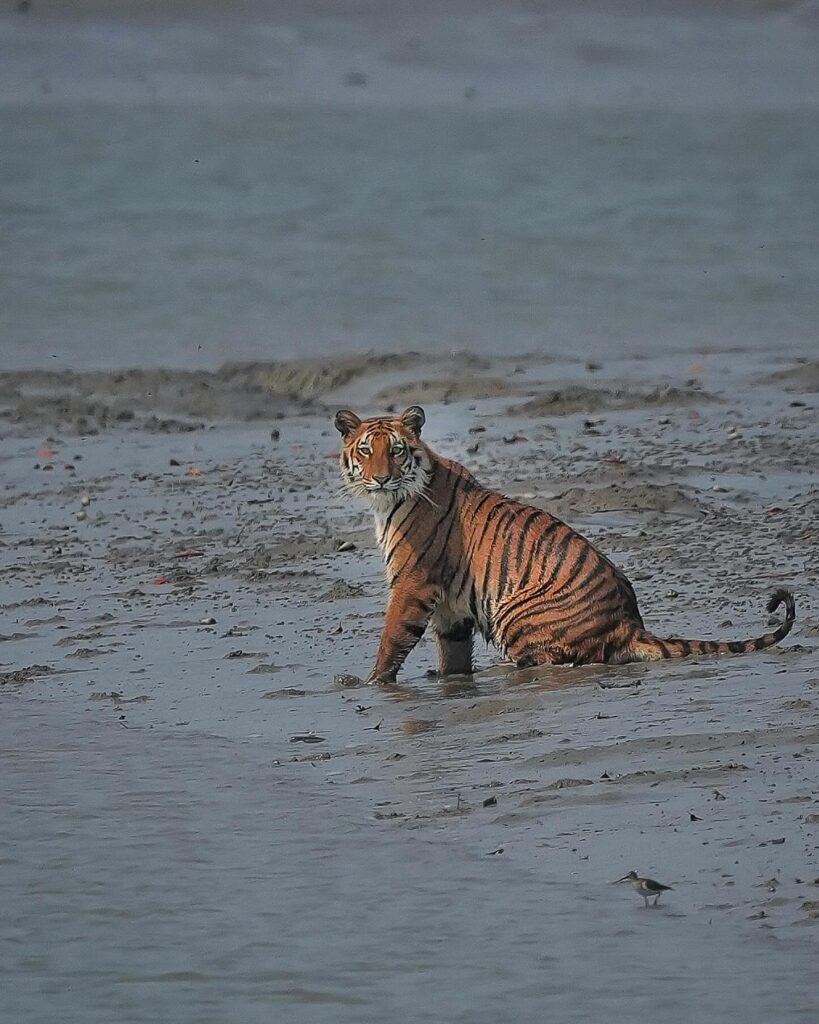
Tigers and the Sundarbans Ecosystem
The Royal Bengal Tiger is one of the top predators in the Sundarbans food chain. As a top predator, it plays a vital role in maintaining the natural balance of the ecosystem by helping control the populations of other animals.
The Sundarbans is one of the most biodiverse areas in Bangladesh. Its unique mangrove ecosystem supports a wide variety of terrestrial, aquatic, and marine life. It also provides an important habitat for the Royal Bengal Tiger and many other wildlife species.
Do Sundarbans Tigers Attack Humans?
The Royal Bengal Tiger is a fascinating yet powerful wild animal. People living around the Sundarbans often depend on the forest and its natural resources for their livelihoods, which can sometimes lead to encounters between humans and tigers.
However, tigers are wild animals and should always be treated with respect. Visitors should maintain a safe distance and avoid disturbing wildlife in its natural habitat. When visiting the Sundarbans, never leave your group to search for tigers. Always stay on designated routes and waterways, and never attempt to approach or get close to wild animals.
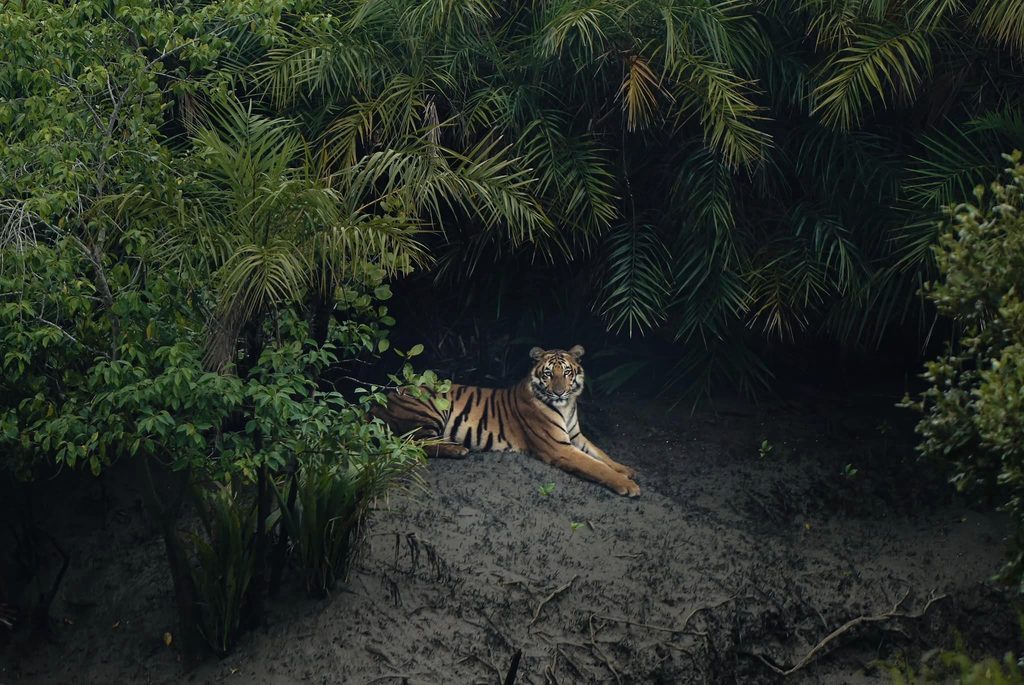
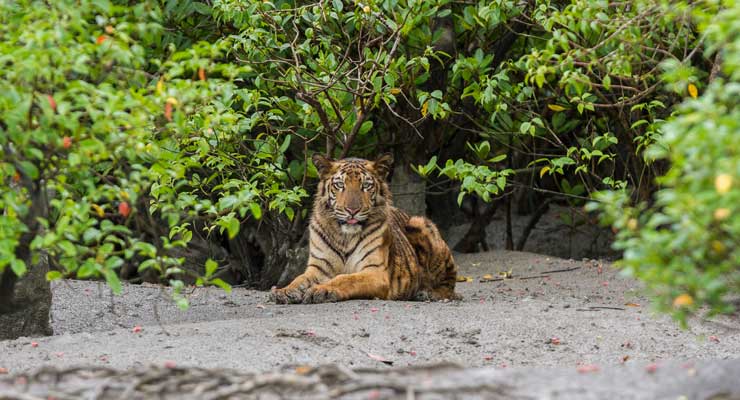
Can You See a Tiger in the Sundarbans?
Seeing a Royal Bengal Tiger in the Sundarbans is a dream for many travelers. However, the Sundarbans is a vast natural forest, not a zoo or safari park. Tigers are naturally shy, cautious, and difficult to spot. For this reason, seeing a tiger during a Sundarbans tour is never guaranteed. Lucky visitors may spot a tiger near a riverbank or inside the forest, but many visitors may complete their trip without seeing one.
Even without seeing a tiger, a trip to the Sundarbans can be an unforgettable experience. The beautiful rivers, canals, birds, deer, monkeys, crocodiles, and dense mangrove forests offer a wonderful opportunity to enjoy nature.
Why Protecting Tigers Matters
The Royal Bengal Tiger is not only a symbol of Bangladesh but also an important part of the Sundarbans ecosystem. Protecting tigers also helps protect the forest, rivers, wildlife, and natural environment of the Sundarbans. Some important steps for tiger conservation include:
🔹 Protecting the natural habitat of the Sundarbans
🔹 Preventing illegal hunting and wildlife trafficking
🔹 Protecting forests, rivers, and other natural habitats
🔹 Reducing human-tiger conflicts
🔹 Creating awareness among local communities
🔹 Promoting responsible and eco-friendly tourism
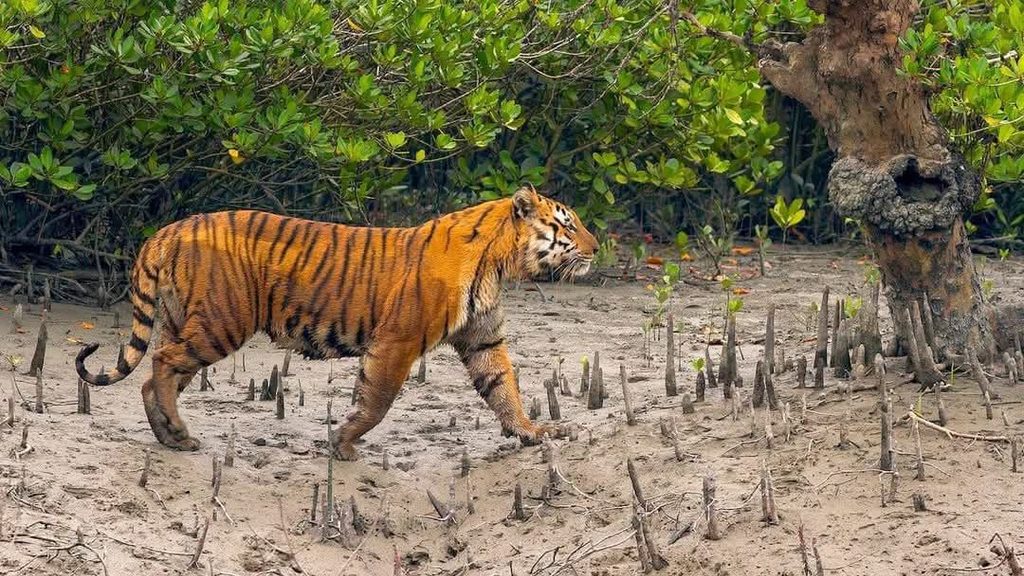
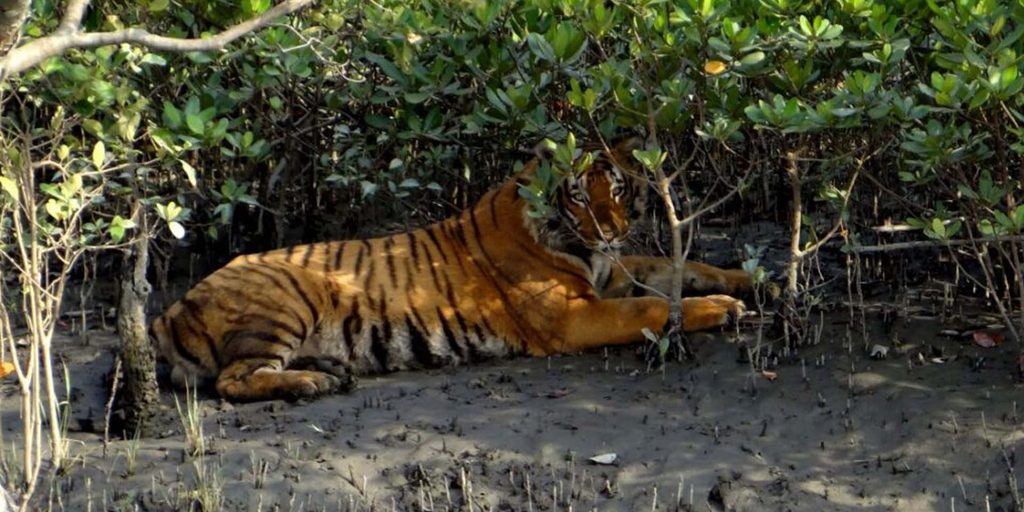
Different surveys and estimates regarding the tiger population of the Sundarbans in Bangladesh have been published over the years. Therefore, instead of using outdated estimates as the current population figure, it is important to follow the latest official tiger surveys and conservation research. Government forest and wildlife research in Bangladesh also identifies the Sundarbans as the country’s main remaining habitat for wild tigers.
Important Travel Tips
🔹 Never attempt to approach wild animals.
🔹 Never feed tigers or any other wildlife.
🔹 Avoid making loud or unnecessary noises.
🔹 Follow the instructions of the Forest Department and your tour guide.
🔹 Do not throw garbage or plastic waste into the Sundarbans.
🔹 Always maintain a safe distance when observing wildlife.


 2 Nights - 3 Days