The Six Seasons of Bangladesh
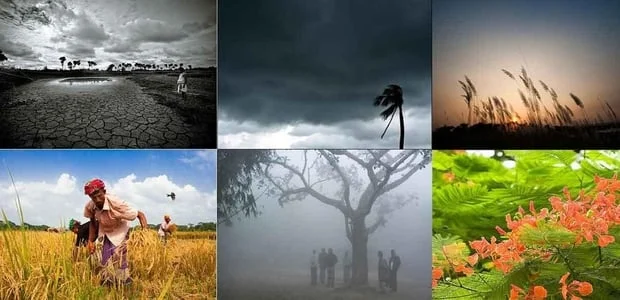
Bangladesh, a land of natural beauty and diverse climate, experiences six distinct seasons throughout the year. Each season brings unique weather patterns, cultural celebrations, and agricultural significance. The six seasons of Bangladesh are Summer (Grishmo), Rainy Season (Borsha), Autumn (Sharat), Late Autumn (Hemanta), Winter (Sheet), and Spring (Boshonto). These seasons play a crucial role in shaping the lives of people, agriculture, and biodiversity.
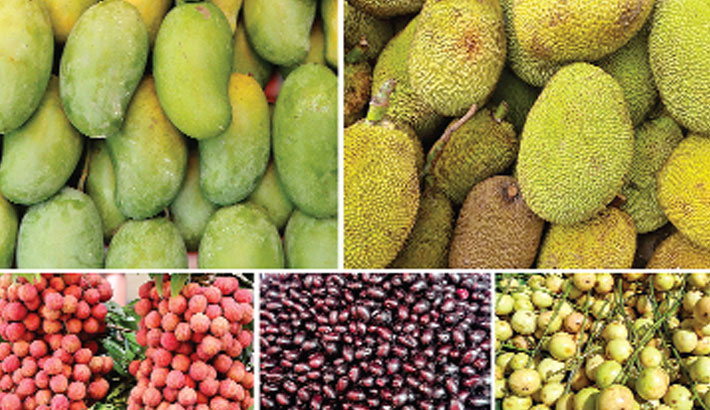
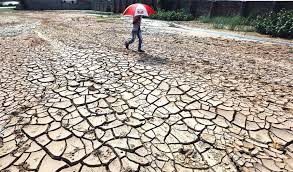
1. Summer (Grishmo) Summer in Bangladesh lasts from mid-March to mid-June. It is characterized by scorching heat and high temperatures, often exceeding 35°C. The days are long and dry, with occasional nor’westers (Kalboishakhi storms) that bring temporary relief. Fruits like mangoes, jackfruits, and watermelons ripen during this season. Rivers and ponds often dry up, causing water scarcity in many regions. People try to stay cool by drinking cold beverages and wearing light clothing.
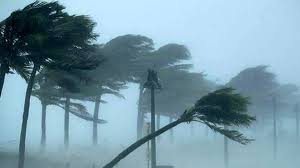
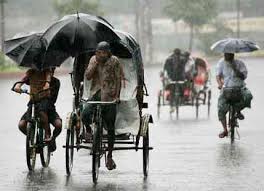
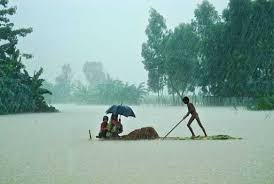
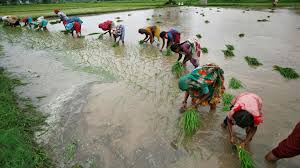
2. Rainy Season (Borsha) The rainy season lasts from mid-June to mid-September and is one of the most significant seasons in Bangladesh. Monsoon winds bring heavy rainfall, replenishing rivers, lakes, and ponds. This season is vital for agriculture, as crops like paddy rice depend on abundant water. However, excessive rainfall often leads to floods, causing damage to homes and livelihoods. Despite the challenges, the rainy season is also a time of scenic beauty, with lush greenery covering the landscape.
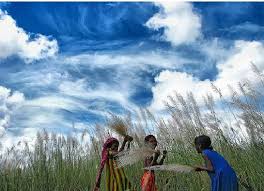
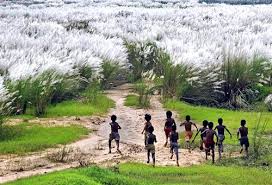
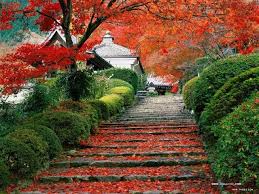
3. Autumn (Sharat) Autumn, spanning from mid-September to mid-November, is a transition period between the rainy season and late autumn. The sky becomes clear, and the weather remains pleasant. White clouds float in the blue sky, and Kashful (Saccharum spontaneum) blooms on riverbanks, creating a picturesque view. This season is associated with religious and cultural festivals, such as Durga Puja, one of the biggest Hindu festivals in Bangladesh.
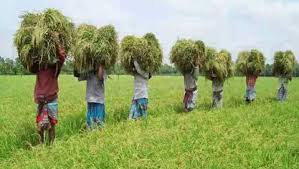
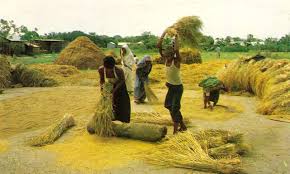
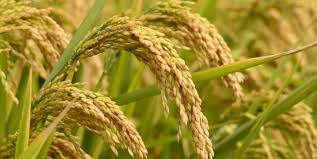
4. Late Autumn (Hemanta) Late autumn, lasting from mid-November to mid-December, is the season of harvest. Farmers reap golden paddy fields, marking the end of the agricultural cycle. The weather becomes slightly cooler, and the nights grow longer. This season plays a crucial role in the rural economy as farmers celebrate a successful harvest. Traditional festivals and feasts are organized in villages, showcasing the joy of abundance.
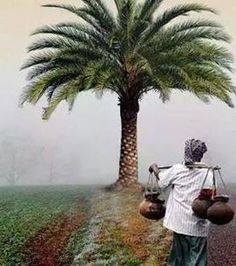
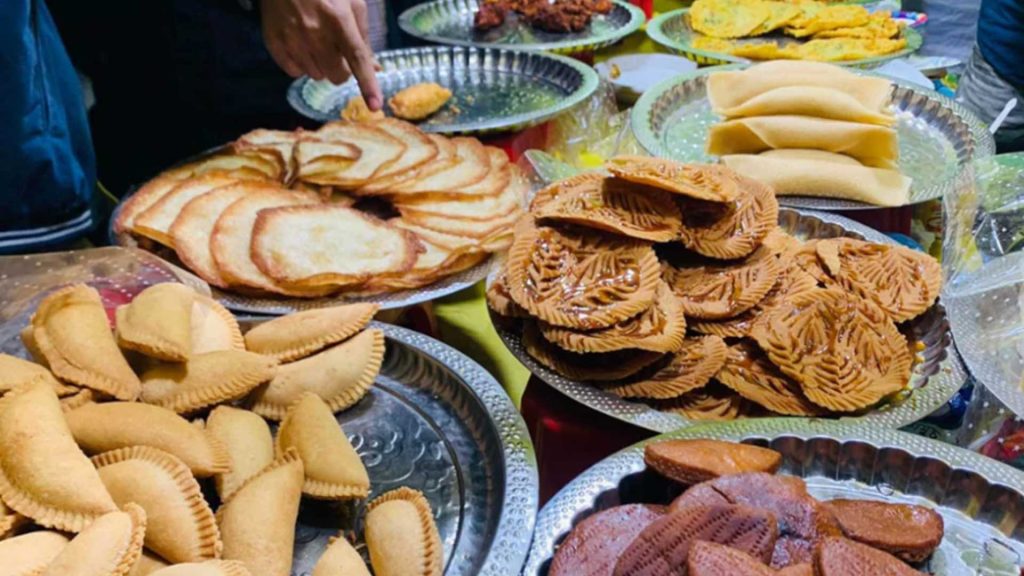
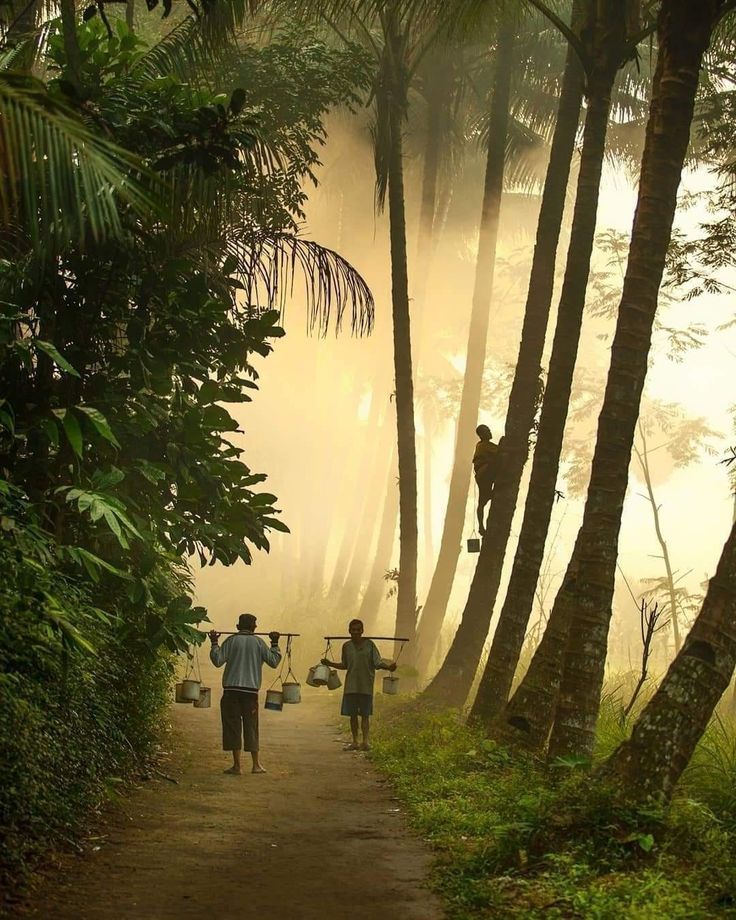
5. Winter (Sheet) Winter, from mid-December to mid-February, is the coldest season in Bangladesh. Temperatures can drop below 10°C in northern regions, while southern areas experience milder cold. People wear warm clothes, and traditional winter foods like pitha (rice cakes) and date palm juice (khejurer rosh) become popular. The landscape changes as trees shed leaves, and foggy mornings become a common sight. Winter is also a peak time for tourism, as the weather is comfortable for travel.
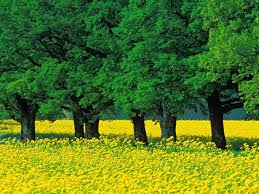
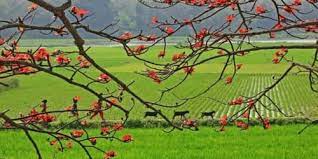
6. Spring (Boshonto) Spring, from mid-February to mid-March, is known as the king of seasons. It brings a refreshing change after the harsh winter. The weather becomes warm and pleasant, and flowers like Palash and Krishnachura bloom, painting the surroundings with vibrant colors. The festival of Pohela Falgun, celebrated at the beginning of spring, marks the arrival of joy and festivity. People welcome the season by wearing colorful attire and enjoying cultural programs.
The six seasons of Bangladesh offer a unique rhythm of life, influencing nature, culture, and agriculture. Each season brings its own beauty and challenges, making Bangladesh’s climate diverse and dynamic. Understanding and appreciating these seasonal changes help people adapt to nature’s cycles and preserve the country’s rich environmental heritage.


 2 Nights - 3 Days