The Seasonal Fruits in Bangladesh
Bangladesh often prefers a subtropical rainy atmosphere. Bangladesh experiences three distinct seasons. Winter lasts from November to February, with cool temperatures (12-28°C) and little precipitation. Summer runs from March to May, with little precipitation and temperatures as high as 40°C. From June to October, the downpour reigns supreme, with heavy precipitation, stickiness, and temperatures ranging from 25 to 35° Celsius. The average annual precipitation varies by district, ranging from 1194 to 3454 mm.
Year-Round Fruits:
In Bangladesh, a variety of fruits are available throughout the year, though their availability may peak during specific seasons. However, due to the tropical and subtropical climate of Bangladesh, many fruits are available year-round. These fruits may come from different regions and be grown in diverse conditions.
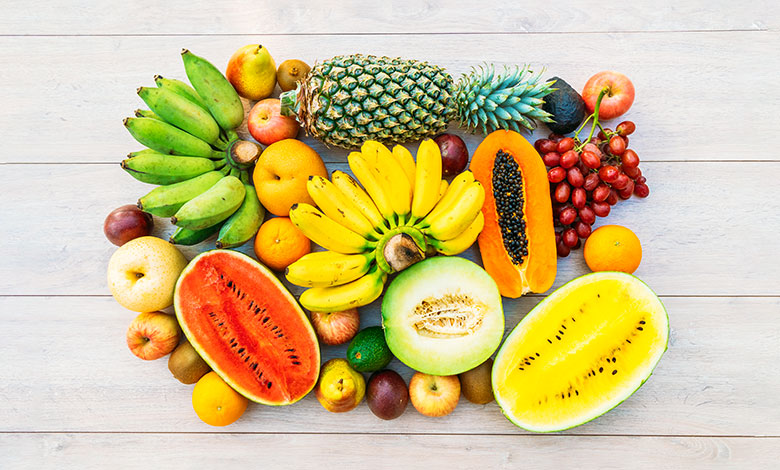
Bananas : Bananas are available year-round in Bangladesh, but the summer season sees a peak in consumption due to their availability and affordability. Common varieties include Kacha Kola (unripe bananas used in cooking) and Chini Kola (sweet ripe bananas). Bananas are a staple fruit that come in a variety of sizes and tastes. They are sweet, soft, and a good source of potassium. Bananas are eaten fresh or used in smoothies, fruit salads, and baked goods. They are also fried when unripe and served with savory dishes.
Papaya: Though papayas grow year-round in Bangladesh, they are particularly abundant and of good quality during the winter months. Papayas are typically large, orange-fleshed fruits with a sweet flavor and high water content. They are commonly eaten fresh, added to fruit salads, or used in smoothies. The unripe papaya is also used in cooking, especially in curries and chutneys.
Oranges: The most common varieties are Kinnow and local oranges. Oranges are typically harvested from November to January. The sweet, tangy flavor of oranges is a staple during the winter months. Oranges from regions like Chandpur and Naogaon are especially famous for their taste and quality. Oranges are widely consumed as fresh fruit, and their juice is also a popular refreshment.
Coconut: Coconuts are grown in Bangladesh throughout the year, particularly in the coastal regions. The water and flesh of the coconut are consumed fresh or used in cooking. The water is hydrating, and the flesh is used in desserts and savory dishes.
Lemon: Lemons are grown and available year-round in Bangladesh. Their tangy flavor is used in cooking, in beverages, and as a garnish. Lemon juice is also a popular addition to drinks like lemonade or shorbot.
Tomato: Although technically a fruit, tomatoes are often used as vegetables in cooking. They are available year-round in Bangladesh, and their sweet and tangy flavor is used in numerous Bengali dishes, chutneys, and salads.
Dates: Dates are available year-round in Bangladesh, though they are primarily imported from the Middle East and nearby countries. Dates are consumed fresh or dried and are an important part of the diet, particularly during Ramadan.
Summer Fruits:
Summer in Bangladesh, which lasts from March to June, is a hot and humid season that brings a rich variety of fruits that are not only delicious but also provide much-needed hydration and nutrients to cope with the heat. Here’s a detailed look at the summer fruits in Bangladesh:
Mangoes : Mangoes are the most iconic summer fruit in Bangladesh, with the season peaking from April to June. There are several varieties of mangoes, each with its own distinct taste, texture, and appearance. Popular varieties include:
Langda: Known for its sweet, tangy taste and smooth, fibrous flesh.
Himsagar: A fragrant variety with a soft, juicy texture.
Raspuri: Sweet and slightly tart, with a rich flavor.
Chaunsa: Known for its fragrant aroma and luscious, juicy flesh.
Dasheri: A small, aromatic variety with a sweet taste.
Mangoes in Bangladesh are highly prized for their sweetness and rich, creamy texture. They are grown in abundance across the country, especially in regions like Rajshahi and Chuadanga. Mangoes are eaten fresh, in fruit salads, or used to make drinks such as mango lassi or mango juice. They are also used in mango chutneys or desserts like mango sorbet or mango ice cream.
Jackfruit : Jackfruit is typically in season from March to June, with its peak in late spring and early summer. Jackfruit is the largest fruit grown on a tree, with a tough outer skin and a sweet, fibrous, and fragrant interior. The flesh of the fruit is eaten, and it has a sweet taste when ripe. The ripe fruit is eaten fresh, while the unripe (green) jackfruit is used as a vegetable in curries, stews, and savory dishes. Ripe jackfruit can also be dried or made into jackfruit chips.
Lychees: Lychees are in season from May to June. Lychees are small, round fruits with a bumpy red skin that is peeled to reveal juicy, translucent white flesh inside. They have a sweet, floral taste. Lychees are eaten fresh and are popular as a snack during the hot summer months. They can also be used in making fruit salads, desserts like lychee sorbet, or drinks such as lychee juice or lychee cocktails.
Watermelon : Watermelon is available during the summer months, from March to June. Watermelons are large, round fruits with a green rind and sweet, juicy red flesh with black seeds. They are highly refreshing and hydrating due to their high water content. Watermelons are commonly eaten fresh, in fruit salads, or as juice. They are a popular snack during the summer due to their cooling effect.
Cantaloupe : Cantaloupes are in season from March to June, overlapping with the watermelon season. Cantaloupes have a smooth, orange flesh with a sweet, aromatic taste. They are similar to watermelon in texture but have a stronger, more fragrant aroma. Like watermelon, cantaloupes are often eaten fresh, used in fruit salads, or made into refreshing cantaloupe juice.
Pineapple : Pineapples are typically harvested in summer, from April to June. Pineapples have a tangy-sweet flavor, and their flesh is golden yellow. The fruit is rich in Vitamin C and enzymes. Pineapples are eaten fresh, juiced, or used in cooking and desserts. Pineapple can be added to fruit salads, made into pineapple juice, or grilled for a smoky flavor.
Guava : Guava is available in early summer, from March to June. Guavas in Bangladesh come in several varieties, with the white and pink types being the most common. Guavas have a sweet or slightly tangy flavor and are rich in Vitamin C. They can be eaten when ripe or used when still green. Guavas are eaten fresh, made into juice, or used in jams, jellies, and chutneys. Unripe guavas are also used in salads or pickles.
Tamarind : Tamarind fruits are harvested during the early summer months, usually from April to June. Tamarind is a tangy, pod-like fruit with a sour, sweet pulp. It has a distinctive tart flavor. Tamarind is used in chutneys, sauces, and as a souring agent in various curries and dishes. It is also used to make refreshing drinks such as tamarind juice or tamarind sherbet.
Winter Fruits:
Winter in Bangladesh, which typically lasts from November to February, is a season marked by cool weather and a variety of delicious fruits that are enjoyed by people across the country. Here’s a more detailed look at the winter fruits in Bangladesh:
Pomegranates: Pomegranates are harvested in winter, particularly from November to January. Pomegranates are known for their juicy seeds, which have a tangy-sweet taste. They are rich in antioxidants and nutrients. The seeds are eaten fresh or used in making juices, salads, or even garnishes in various dishes.
Apples: While apples are not grown widely in Bangladesh due to the climate, they are imported from countries like India, China, and the USA during the winter season. Available throughout the winter, with peak availability from November to February. Imported apples, typically varieties like Red Delicious, Golden Delicious, and Fuji, are commonly consumed during this season. Apples are eaten fresh, used in desserts, or incorporated into salads.
Guava: The most popular varieties are white guava and pink guava. Guava begins to ripen in the late autumn and continues into the winter months, peaking in December and January. Guavas are small, round fruits with a sweet or slightly tangy flavor. They are rich in Vitamin C. Guavas are eaten raw, often with a pinch of salt or chili powder. They are also used in making guava jelly or juice.
Pineapple: Pineapple production peaks in the winter months (December to February), though it’s available year-round. Pineapples are sweet and tangy fruits, and they are harvested in large quantities during winter. Pineapple can be eaten fresh, used in salads, or prepared into juices. It is also used in cooking and desserts.
Rainy season:
The rainy season (June to September) in Bangladesh is an exciting time for fruit lovers, as a wide variety of delicious and nutritious fruits become available. These fruits are not only enjoyed for their taste but also for their health benefits, such as hydration, digestion, and immune system support. They are essential to staying cool and energized during the hot and humid monsoon months. The combination of sweet, sour, and tangy flavors in these fruits brings great joy to the people of Bangladesh, making the rainy season a time to indulge in nature’s bounty.
Mango: Mangoes are one of the most beloved fruits in Bangladesh, especially during the rainy season. Known as the “king of fruits,” mangoes are juicy, sweet, and aromatic. They are eaten fresh, used in drinks, or made into a variety of desserts, including mango lassi (a yogurt drink) and mango chutney.
Lychee: Lychees are small, fragrant fruits with translucent white flesh and a sweet, floral flavor. They are a popular fruit during the rainy season in Bangladesh. Lychees are often consumed fresh but can also be used in desserts or to make refreshing beverages.
Region: Lychees are primarily grown in the Rajshahi and Chuadanga regions of Bangladesh.
Jamun: Jamun is a dark purple fruit with a slightly astringent and tangy taste. It is often enjoyed fresh or used to make juices. Jamun is known for its health benefits, including its ability to help regulate blood sugar levels, and it’s especially popular during the monsoon season.
Health Benefits: It is considered good for digestion and is also used in traditional medicine for managing diabetes.
Guava: Guavas are widely available during the rainy season. Their green skin and sweet-tangy flesh are packed with vitamin C and dietary fiber. Guavas are eaten raw or used in making juices, jams, and chutneys. They are a common sight in markets during the monsoon months.
Varieties: Guavas come in various types, ranging from the more acidic green ones to the sweeter, yellow varieties.
Pomegranate: Pomegranates have a sweet-tart flavor with juicy red seeds that are bursting with antioxidants. They are often eaten fresh, used in juices, or sprinkled over salads and desserts.
Health Benefits: Pomegranates are rich in vitamins, antioxidants, and other nutrients that promote heart health.
Tamarind: Tamarind is a sour fruit with a sticky, tangy pulp. It is used in cooking, especially in Bengali chutneys, and is also consumed as a refreshing drink (tamarind sherbet) during the rainy season. Tamarind’s sour flavor adds depth to various dishes, and it’s a key ingredient in many traditional recipes. Tamarind is also known for aiding digestion and providing antioxidants.
Pineapple: Pineapples have a tangy-sweet flavor that is refreshing during the humid monsoon months. They are widely available in Bangladesh and are typically eaten fresh, in fruit salads, or used in juices. Pineapples are also used in some savory dishes and desserts. Due to its high water content, pineapple is great for hydration and cooling down during the hot monsoon days.
Custard Apple: Custard apples are small, sweet fruits with a creamy, custard-like texture. The skin is green and bumpy, while the flesh is soft and white. It is a popular monsoon fruit in Bangladesh, enjoyed fresh. Custard apples are typically eaten raw, but they are also used to make smoothies and desserts.
Watermelon: Watermelon is a popular fruit during the monsoon months due to its high water content, making it an excellent hydrating fruit. Watermelons are sweet, juicy, and refreshing, making them a favorite snack during the rainy season. Watermelon is typically consumed fresh or used in fruit salads, juices, or smoothies.

 2 Nights - 3 Days