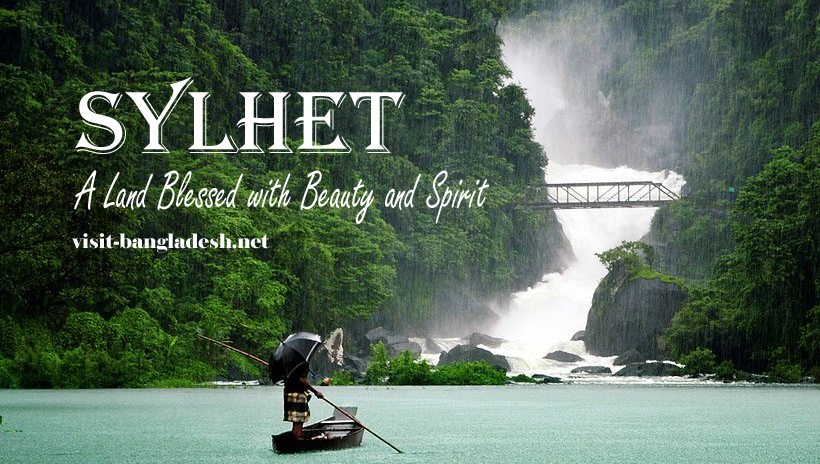
Sylhet – The Land of Beauty and Saints
Sylhet is one of the most beautiful and culturally rich places in Bangladesh. Located in the northeast, it shares borders with the Indian states of Meghalaya and Assam. The area is known as the “Land of Saints” because of its many holy shrines and spiritual sites.
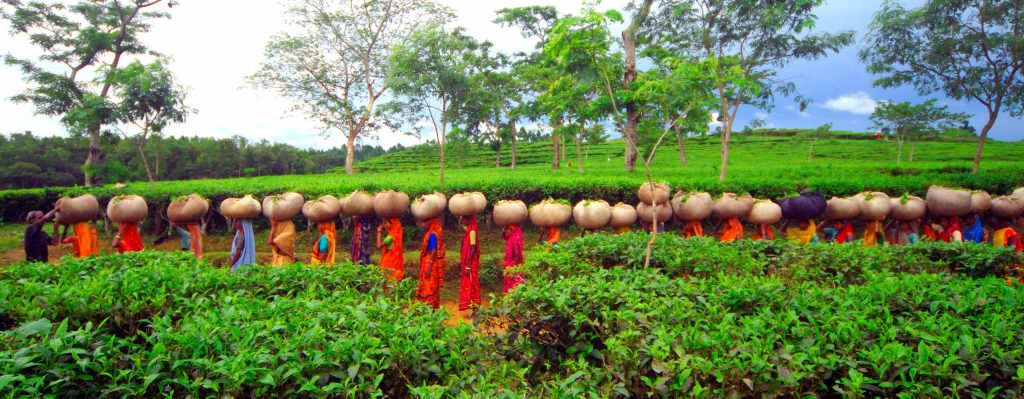
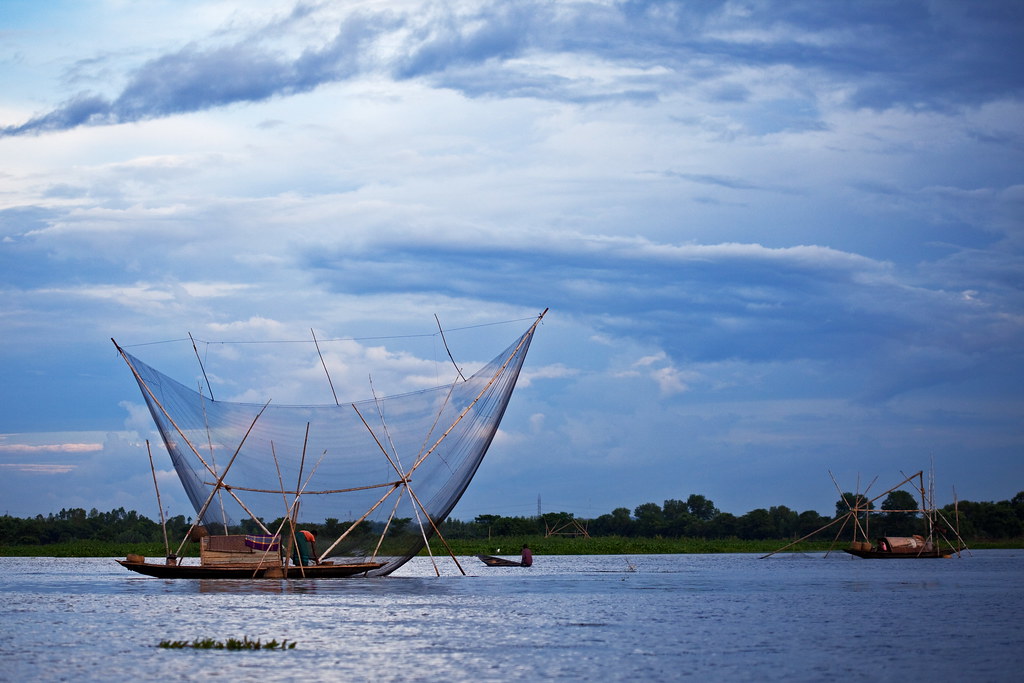
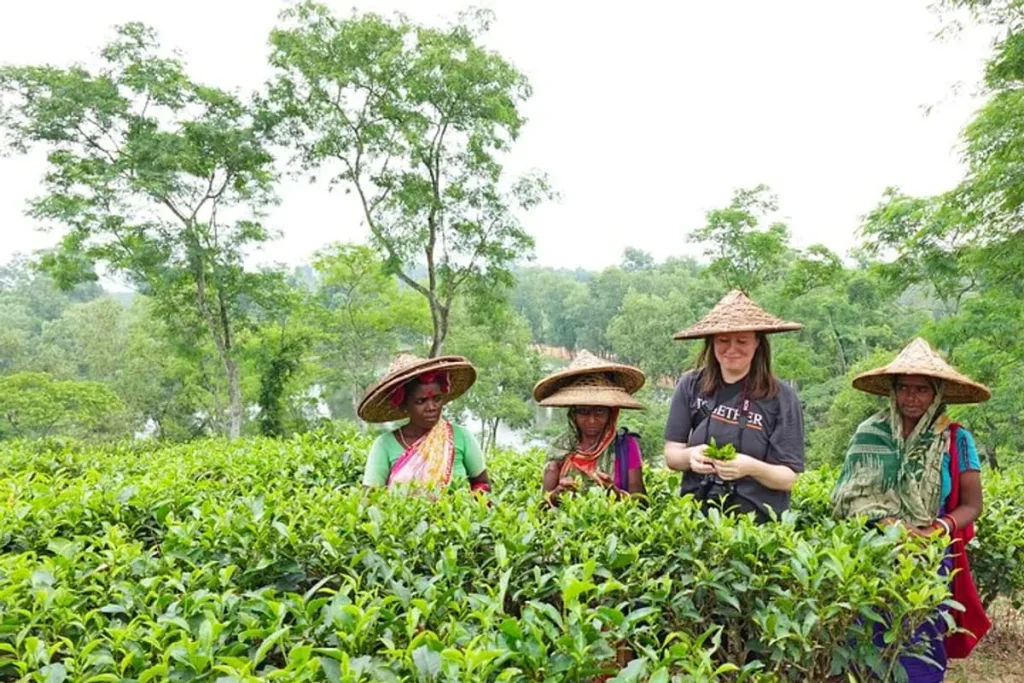
Sylhet is full of natural beauty—green tea gardens, peaceful rivers, mysterious swamps, and small tribal villages. It’s a perfect place for people who love nature, culture, and calm surroundings. In this blog, we’ll explore why Sylhet is a must-visit destination for anyone looking for a peaceful and meaningful travel experience.
Geography & Climate: Where Hills Meet Rivers
Sylhet’s landscape is uniquely diverse, formed by the Surma River Basin and surrounded by hills on almost every side. The region’s undulating topography, lush vegetation, and abundant rainfall make it one of the greenest parts of the country.
🔹 Climate: Sylhet experiences a subtropical monsoon climate, with heavy rainfall during the monsoon (June–September), and pleasant weather from October to March. The rainy season transforms the rivers and forests into a dreamlike, water-laced wonderland perfect for nature lovers.
Nature’s Masterpieces:
❑ Tea Gardens of Sylhet & Sreemangal
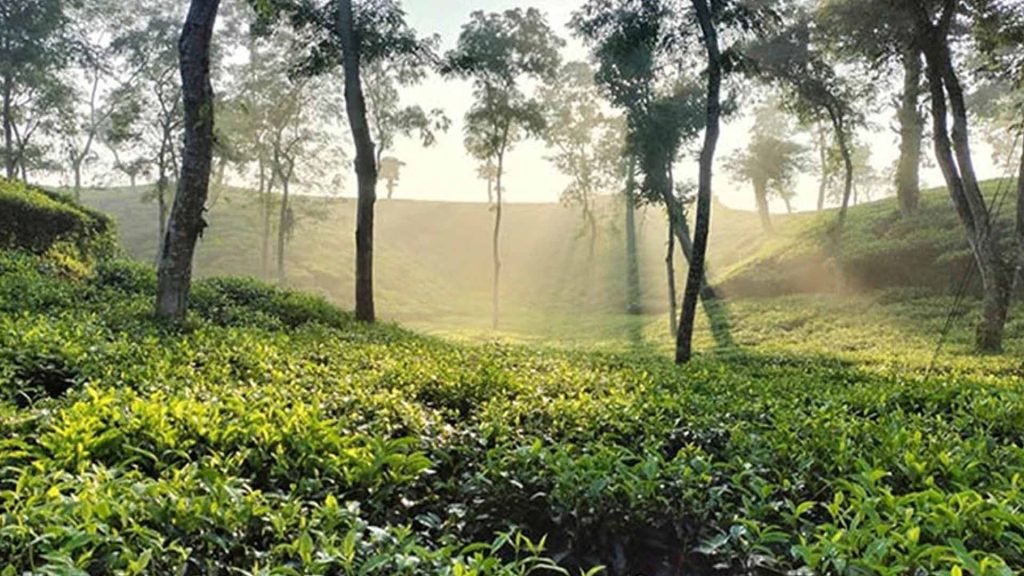
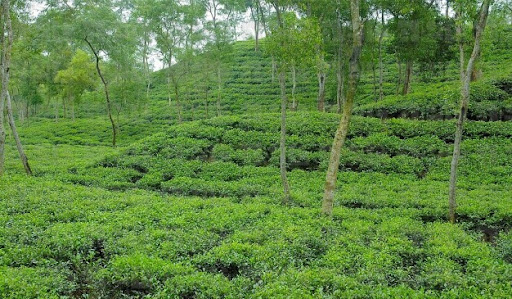
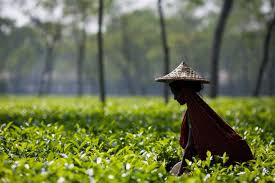
Sylhet is the tea capital of Bangladesh. The region’s vast, gently sloping tea gardens stretch across the horizon, giving it a surreal, carpet-like look.
🔹 Malnichhara Tea Estate (established in 1854) is one of the oldest in the subcontinent.
🔹 Lakkatura and Ali Bahar Tea Gardens near the airport offer easy access for a quick escape into nature.
🔹 Sreemangal, though technically in the Moulvibazar district, is a part of greater Sylhet and known for its Seven-Layer Tea, created with precision layering of different tea blends.
❑ Ratargul Swamp Forest
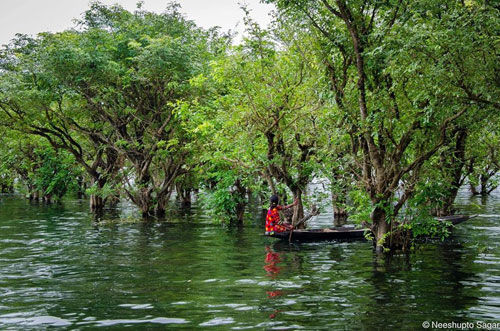
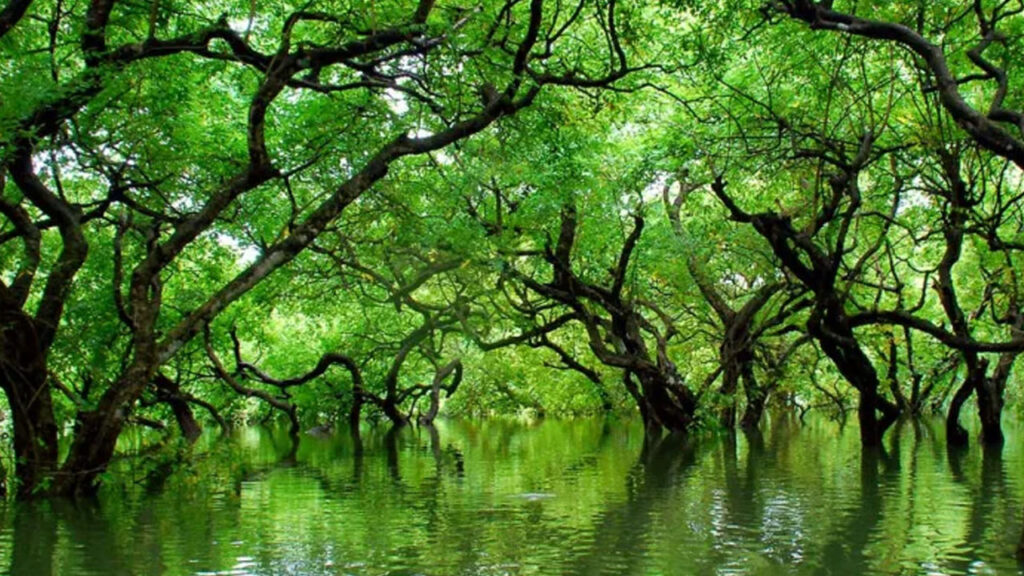
Located about 26 km from Sylhet city, Ratargul is the only freshwater swamp forest in Bangladesh and one of the rarest in the world. In the rainy season, the forest becomes partially submerged, and the only way to explore it is by boat. It’s a hauntingly beautiful place, rich in biodiversity and perfect for bird watchers and photographers.
❑ Jaflong – Where Hills and Rivers Collide
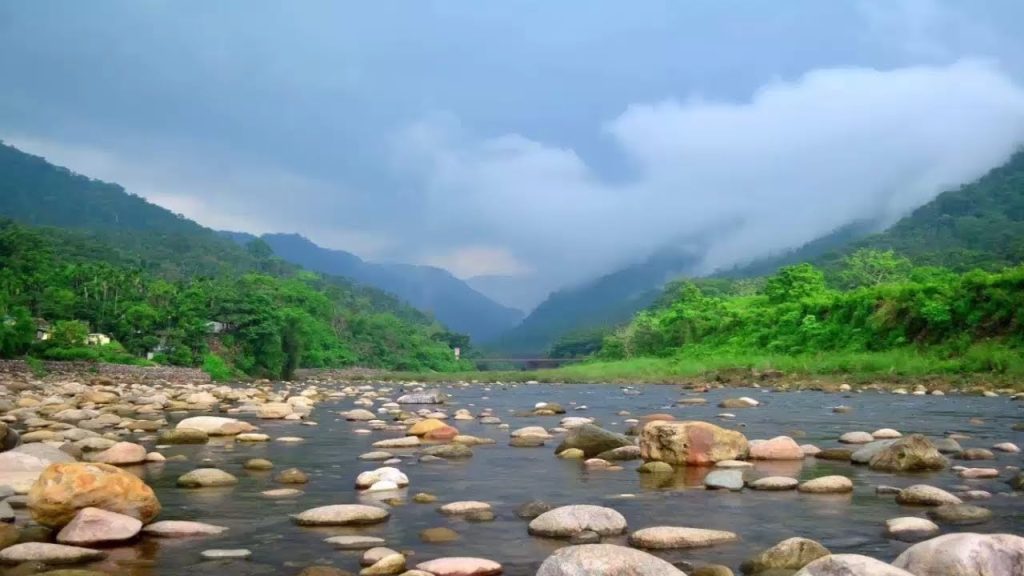
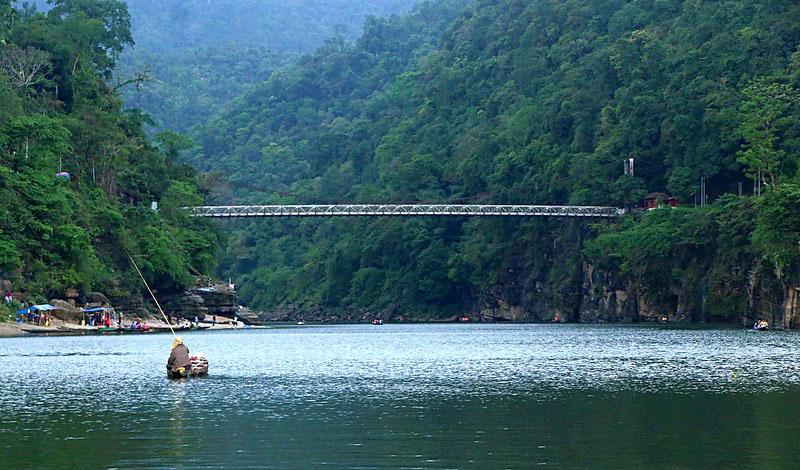
Situated near the Indian border, Jaflong is famous for its stone collection activities and panoramic views of the Meghalaya Hills. The Piyain River, with its crystal-clear water, adds to the charm. You can spot local Khasi women in traditional attire and visit their villages to learn about their customs.
❑ Bisnakandi
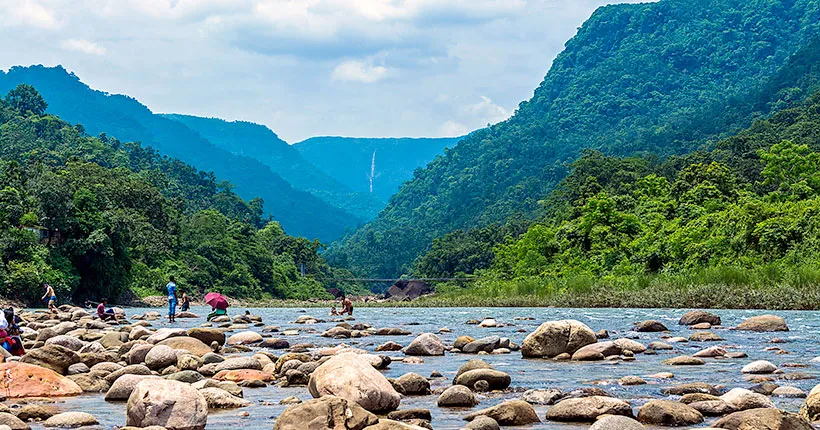
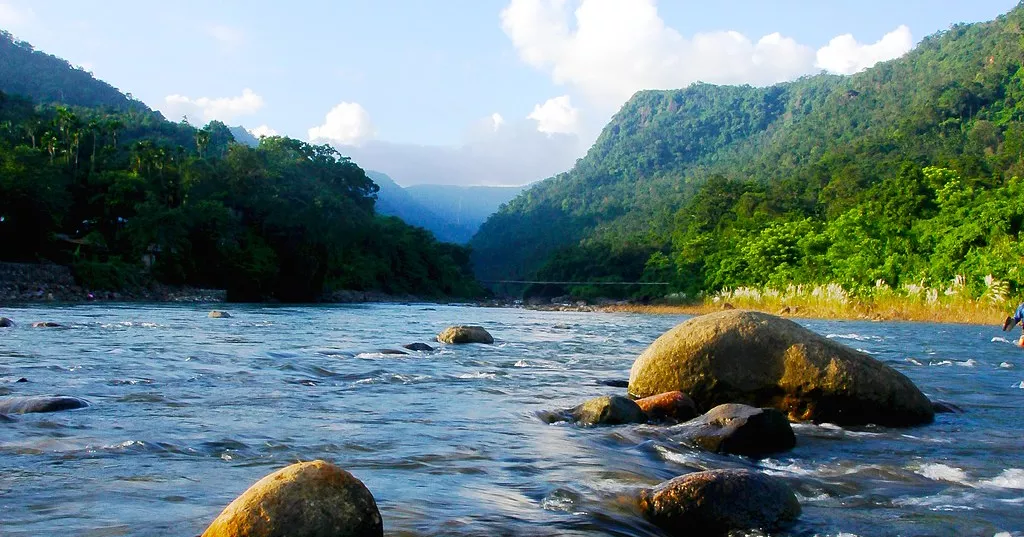
A lesser-known but equally magical destination, Bisnakandi is where waterfalls from India’s Meghalaya cascade into Bangladeshi rivers. Large, smooth stones dot the riverbed, and the area is encircled by rolling hills. It’s an ideal spot for a day trip, picnic, or boat ride.
A Land of Saints: Spiritual Significance
Sylhet’s spiritual landscape is shaped largely by Sufism, especially the legacy of Hazrat Shah Jalal and his disciples.
❑ Hazrat Shah Jalal (R.A.) Dargah
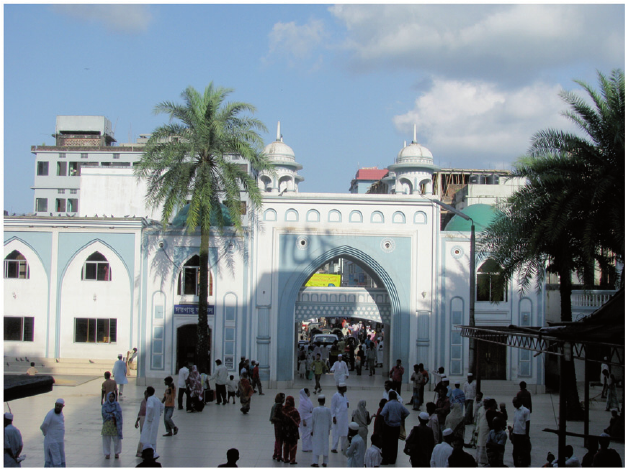
The most visited spiritual site in Sylhet, this 14th-century shrine attracts Muslims from across Bangladesh and beyond. Located in the heart of the city, the shrine complex also houses a mosque, a fish pond with large sacred catfish, and a bazaar.
❑ Hazrat Shah Paran (R.A.) Dargah
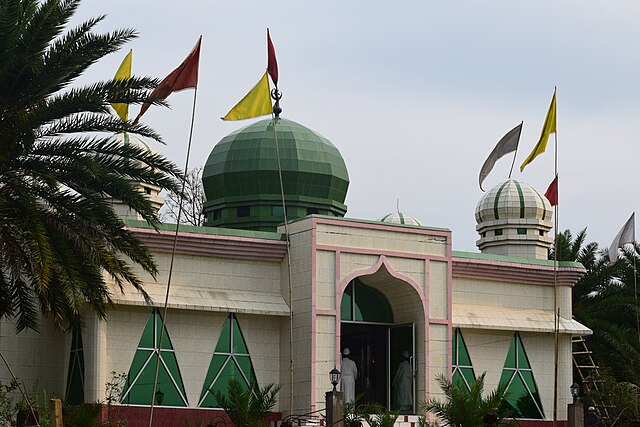
Located on a hill a few kilometers from the city center, this shrine offers a quieter, more contemplative experience. Shah Paran was Shah Jalal’s nephew and a revered Sufi saint in his own right. These dargahs are particularly vibrant during Urs festivals, with gatherings, Qawwali music, and spiritual recitations. Sylhet’s spiritual landscape is shaped largely by Sufism, especially the legacy of Hazrat Shah Jalal and his disciples.
Indigenous Communities & Ethnic Diversity:

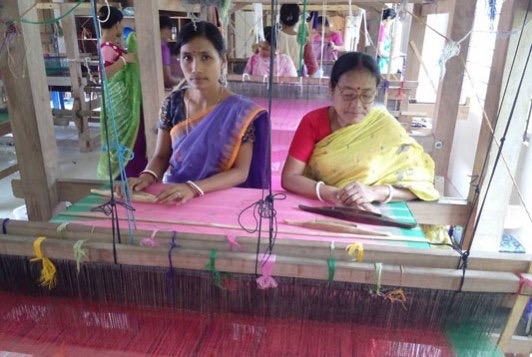
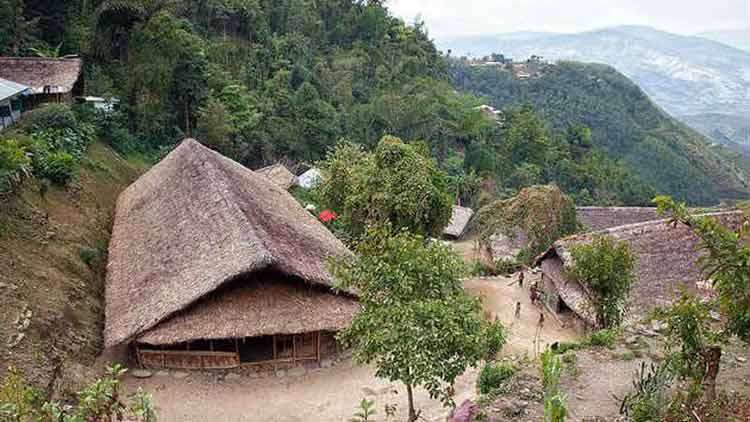
Sylhet is home to several indigenous communities, including:
🔹 Khasia: Known for their matrilineal society and betel leaf cultivation. You can visit Khasia Punji (villages) like Nirmai or Nongjiri to learn about their lifestyle.
🔹 Manipuri: Famous for classical dance and hand-woven textiles, especially their taant sarees and traditional attire. Their cultural celebrations like Raasa Lila are mesmerizing.
🔹 Tripura and Patra: Smaller communities with distinct dialects, crafts, and folklore.
Food:
Sylheti cuisine stands apart with its bold flavors and use of local citrus fruits like shatkora. Highlights include:
🔹 Beef or Chicken with Shatkora: A tangy, slow-cooked curry using the regional citrus fruit.
🔹 Shutki Bhuna (Dried Fish Curry): A strong-smelling but deeply flavorful dish.
🔹 Chunga Pitha: Sticky rice cooked inside bamboo over an open fire.
🔹 Seven-Layer Tea: A must-try specialty of Sreemangal, where different tea infusions form distinct colorful layers in a glass.
Don’t forget to try snacks like chaanar polao, pitha, and local pickles made from bamboo shoots, tamarind, or wild olives.
Sylhet City: Modern with a Touch of Heritage
The city itself is a mix of bustling markets, colonial-era buildings, and modern cafes. Key places to visit:
🔹 Ali Amjad’s Clock: The oldest clock tower in Sylhet.
🔹 Surma River Walkways: Great for a sunset stroll.
🔹 Keane Bridge: A historic steel bridge built in 1936 over the Surma River.
Best Time to Visit:
October to March for pleasant weather; June–September for monsoon beauty.
Hidden Gems:
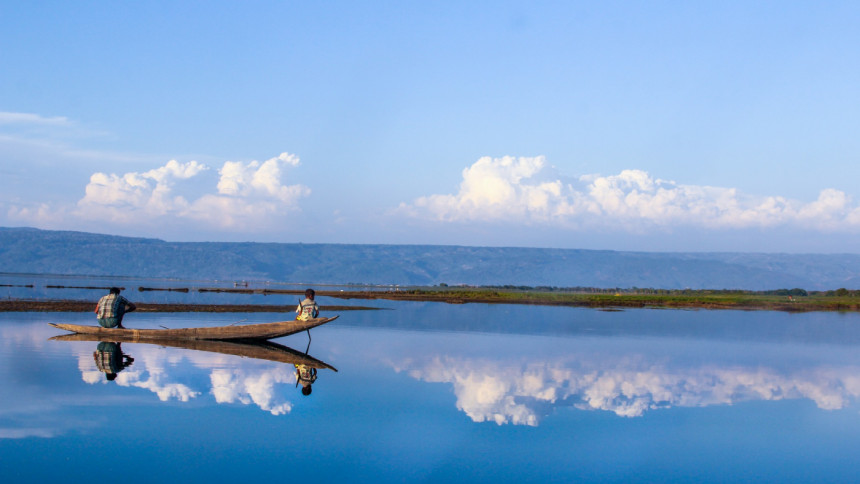
🔹 Hakaluki Haor: One of the largest wetlands in Asia, home to thousands of migratory birds.
🔹 Tanguar Haor (near Sunamganj): A Ramsar site famous for its floating houses, bird life, and boat safaris.
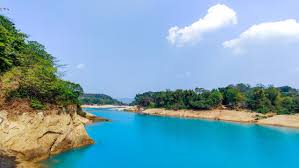
🔹 Lalakhal: Known for its deep blue water, best explored by boat.
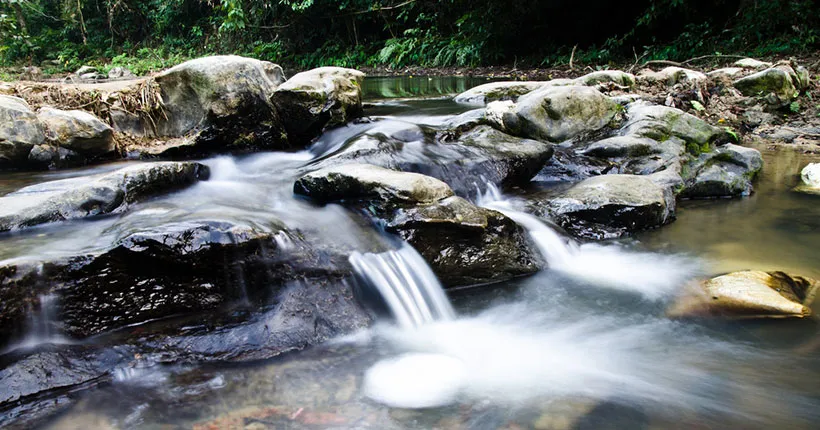
🔹 Madhabkunda Waterfall: The largest waterfall in Bangladesh, surrounded by tropical forests.
Sylhet is not just a destination it’s a feeling. With its perfect mix of spiritual calm, ethnic diversity, culinary richness, and ecological wonder, it invites you to slow down, reflect, and reconnect with nature and culture. Whether it’s your first visit or your tenth, Sylhet always has something new to offer.

 2 Nights - 3 Days