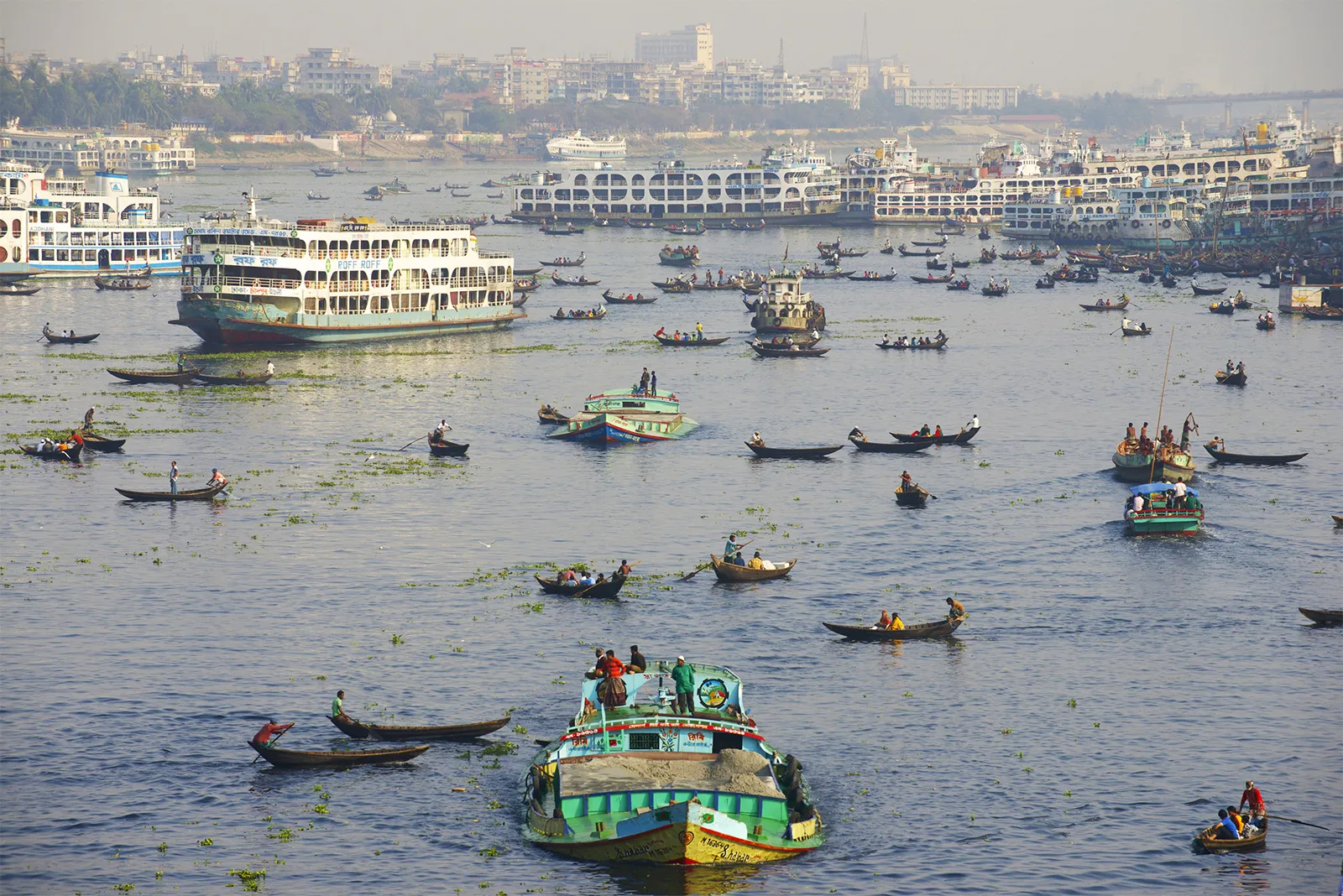
Rivers of Bangladesh
Bangladesh is a country with an extensive network of rivers, and rivers play a crucial role in the country’s geography, economy, and culture. The rivers of Bangladesh are primarily part of the Ganges-Brahmaputra Delta and are vital for irrigation, transportation, fishing, and providing water for drinking and agriculture. They also significantly contribute to the landscape, the people’s livelihoods, and the occurrence of seasonal floods. The rivers face challenges like flooding, erosion, and pollution, with flooding during monsoons being both a natural and necessary part of the agricultural cycle. However, river erosion and pollution are growing problems. Climate change is also exacerbating these issues, leading to rising sea levels and changing river patterns.
In essence, the rivers of Bangladesh are vital to the country’s economy and daily life but require sustainable management to address environmental challenges.
Meghna:
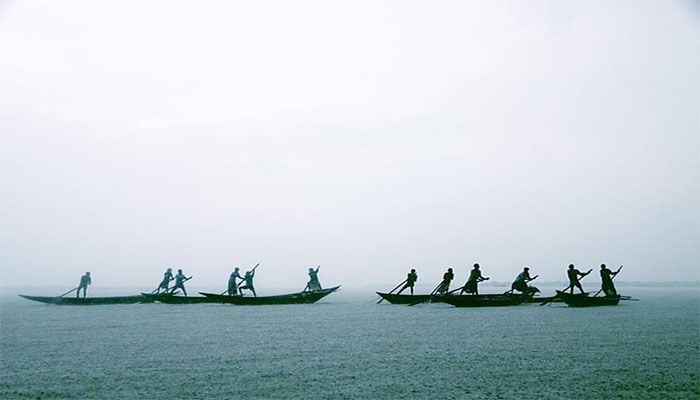
The Meghna is one of the major rivers in Bangladesh. It is also the widest river in the country. In a part of Bhola, it is 12 km wide. With its upper tributary (the Surma), the river is 670 km long. Bhola, Chandpur, and Bhairab Bazar towns are on the bank of the Meghna.
Jamuna:
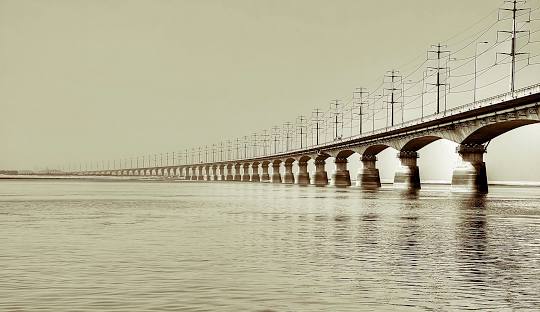
The Jamuna, one of the three main rivers of Bangladesh, is the lower stream of the Brahmaputra river. The 90 km long river flows south and then meets the Padma at Goalanda. The river is susceptible to channel migration and creates chars (sandbars) only to be destroyed soon. Many of the sandbars have little or no water in the dry season but become turbulent rivers in monsoon. To connect the northern part of the country, a bridge called the Jamuna Multipurpose Bridge has been constructed. There are a good number of standard and luxury resorts on both sides of the bridge. Visitors can have a rare opportunity to cruise, experience the resilient lifestyles of the people, and enjoy warm hospitality.
Buriganga:
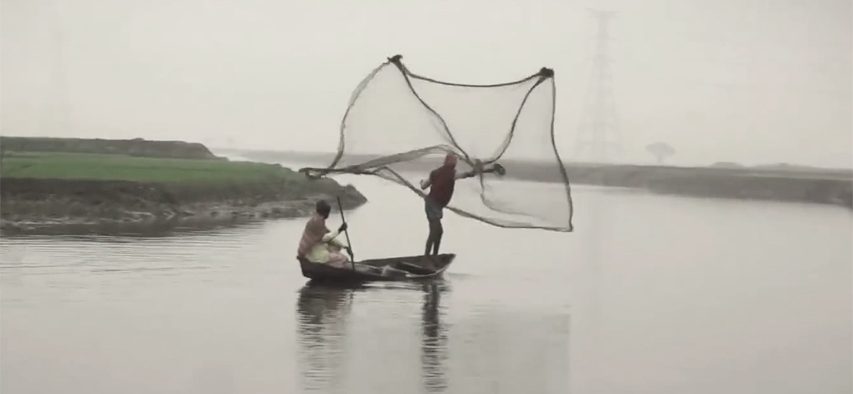
The Buriganga is a small river of 27 km that passes through the south and west of Dhaka city. This river connects Dhaka through other channels to the rest of Bengal and beyond, and this factor was prime consideration for choosing Dhaka as the capital of Bengal by the Mughals. Originated from the Dhaleswari at Kalatia, it joins with the Turag at Kamrangir Char. Dhaka River Port is the busiest river port in the country. Every day, near about 200 large and small motor vessels and hundreds of boats carry about 30,000 passengers and commercial goods to and from various parts of the country. The historical palace of Ahsan Manzil, Lalbagh Fort, and 18th-century Armenian Church are situated by the side of the Buriganga River.
Kirtonkhola:
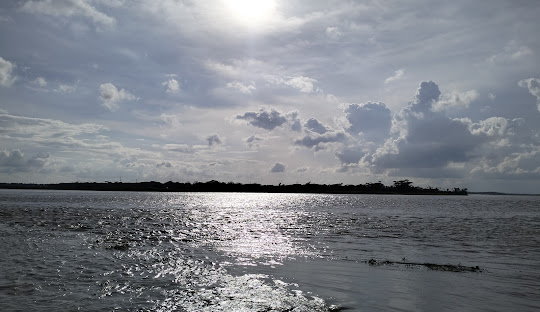
The Kirtankhola River starts from Sayeshtabad in Barishal District and ends into the Gajalia near Gabkhan khal (canal). The total length of the river is about 160 km. The divisional town of Barishal is situated on its bank. The Kirtankhola River offers boat sailing with a very special boat named ‘Goyna’. The nearby local market caters to visitors with handicrafts. Uzirpur Satla Beel, the kingdom of red water lilies, is just an hour’s journey from Barishal by road.
Karnaphuli :
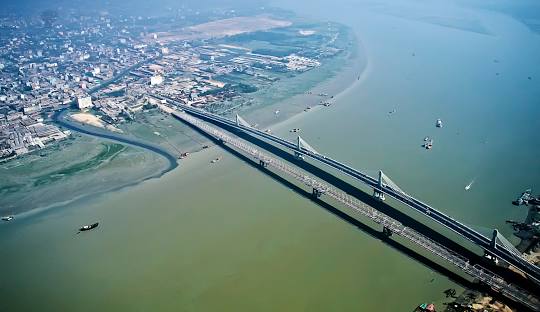
The Karnaphuli River is the largest and most important river of Chattogram. Flowing through the hilly area of Chattogram Hill Tracts and Chattogram, it falls into the Bay of Bengal. The river is 100 km long. It is the swiftest river in Bangladesh. Chattogram, the commercial capital of the country, stands on its bank. The natural beauty along this river is awful.
Shitalakshya:
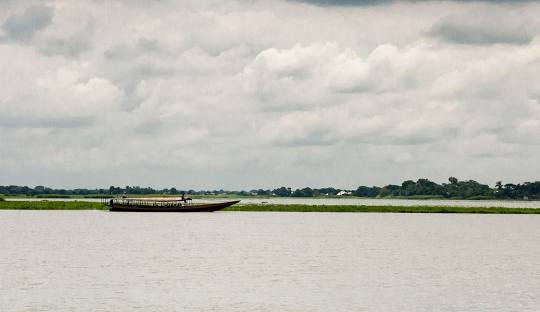
The Shitalakshya River, a Brahmaputra distributary, is 110 kilometres long. Naryanganj, a commercial center near Dhaka, is located on its bank. Sonargaon, Bengal’s historic capital, stood on this riverbank. Nearby attractions include Jamdani Palli in Rupganj, old Panam City, and the Folk Arts Museum in Sonargaon.
Brahmaputra:
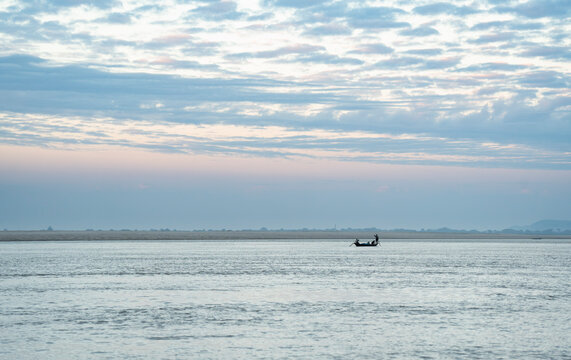
The Brahmaputra River starts in Tibet and runs through China and India before entering Bangladesh near Kurigram. It is 69 kilometres long. The lower reaches of this river are known as the Jamuna. Originally, the Brahmaputra flowed south through Mymensingh District, where it met the Surma River and joined the Meghna River. You can see the old Brahmaputra, which is now a mirror river. However, in the nineteenth century, it altered course. The former Brahmaputra, now a tiny river, flows through Mymensingh and Kashmir.
Sangu:
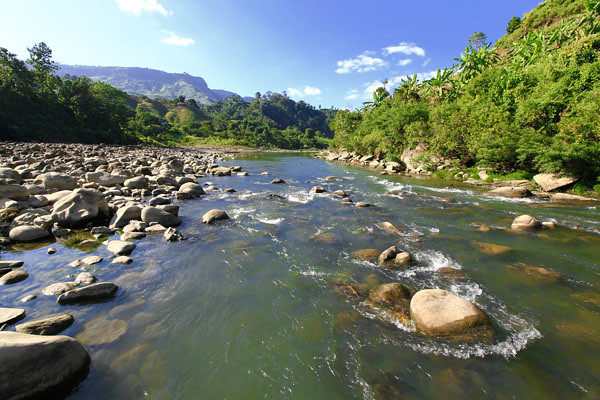
The Sangu River originates in Myanmar’s Arakan Hills. It enters Bangladesh around Remarki, Thanchi Upazila, Bandarban District. Many of Bandarban’s waterfalls fall right into the Sangu. It flows into the Bay of Bengal after passing through Thanchi, Rowangchhari, and Sadar Upazilas in Bandarban, as well as Satkania and Banshkali Upazillas in Chattogram district. The river in Bangladesh is 173 kilometers long. The river captivates travelers with its hills, forests, and waterfalls. Bamboo rafting is a thrilling activity for brave travelers. The riverside tribal life will provide additional adventure and excitement.
Rupsha:
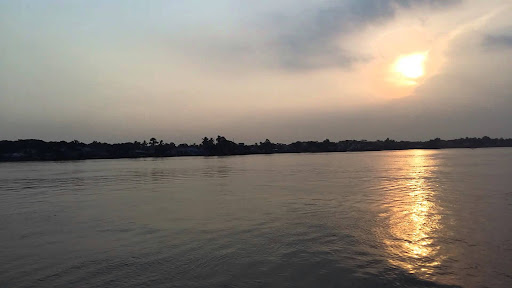
It forms from the meeting place of the Madhumati and the Chitra rivers at Piroli Bazar and flows through Khulna and meets the Pasur river near Mongla. Its entire length is affected by tides. The Rupsha and the Pasur are considered the same river. Together, they have a length that is affected by 130 km. The Rupsha River is one of the important development factors for Khulna. Boats are available for cruises on an hourly basis.
Piyain:

The Piyain River flows through the picturesque valley of Jaflong, Sylhet. The river is 145 kilometers long, beginning in Assam and ending there. This river provides a transitory but consistent source of revenue for thousands of stone collectors. The stones carry water from the other side of the border with India. The river’s water is translucent, and from a boat, one can see the numerous colored stones. The river is flanked by picturesque green trees, betel gardens, and orange gardens. The Khasia tribe lives near the riverbank, and tourists can visit them to see how they live.
Shomeshwari:

The Simsang River, a significant river in Meghalaya’s Garo Hills, enters Bangladesh at Susang-Durgapur in the Netrakona District and empties into the Kangsha River under the name Someshwari. One of Bangladesh’s most exquisite rivers is the Someshwari. This river’s water is translucent. During the winter, individuals can cross on foot because the water level is low. To experience the Triba way of life, you can travel to the neighboring hills. Birishiri is home to an ethnic museum. On the opposite side of the river is China Matir Pahar, also known as the Hill of the White China Clay. The hills, orange and spice plantations, the exquisite tranquility, and the turquoise water of Someshwari make the region so lovely that it is referred to as “Paradise on Earth.”

 2 Nights - 3 Days