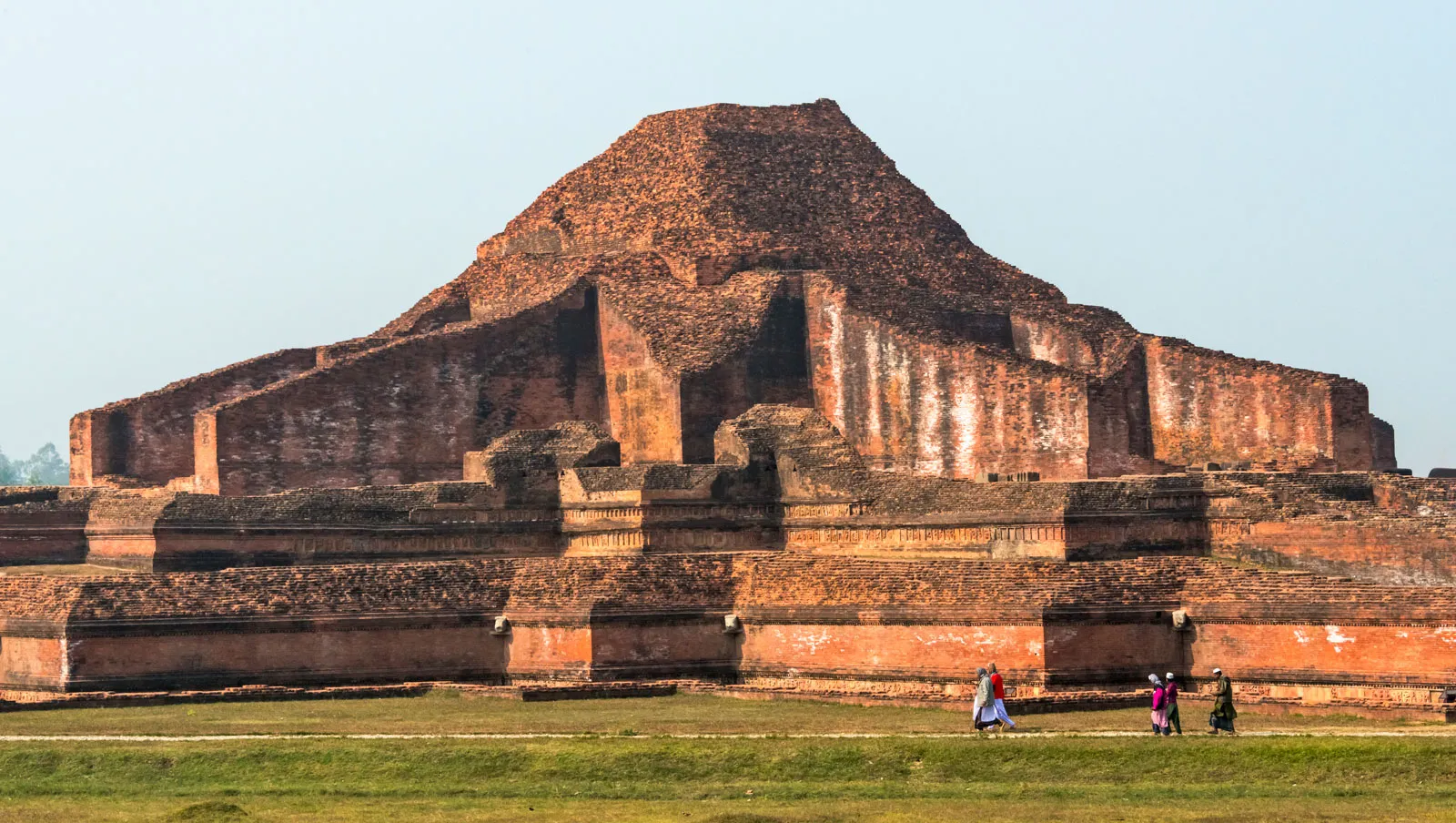
Paharpur Buddhist Monostery
Hidden in the peaceful plains of northern Bangladesh is one of South Asia’s most amazing ancient sites Paharpur Buddhist Monastery, also known as Somapura Mahavihara. This historic place was once a great center of learning, religion, and culture. Its old walls and beautiful design tell the story of a rich Buddhist heritage. For travelers, history lovers, and spiritual seekers, visiting Paharpur feels like stepping back in time.
Historical Background:
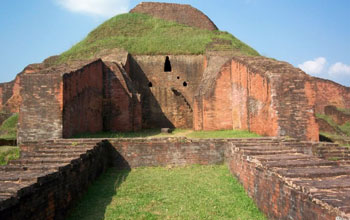

Paharpur rose to prominence during the reign of Dharma Pala (c. 781–821 AD), the second ruler of the Pala Dynasty, which was a golden age for Buddhism in Bengal and Bihar. The monastery served as a renowned center for Mahayana Buddhism, attracting scholars and monks from as far as China, Tibet, and Southeast Asia. The design of Somapura Mahavihara influenced later Buddhist architecture across the region, including structures in Myanmar, Java, and Cambodia.
Architectural Significance:
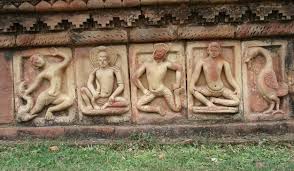
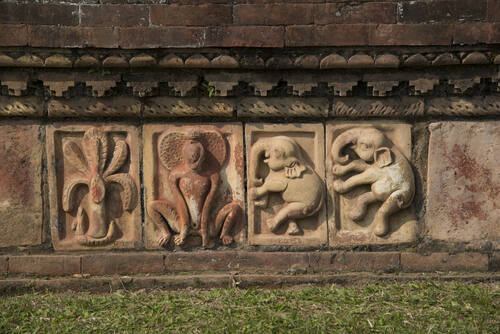
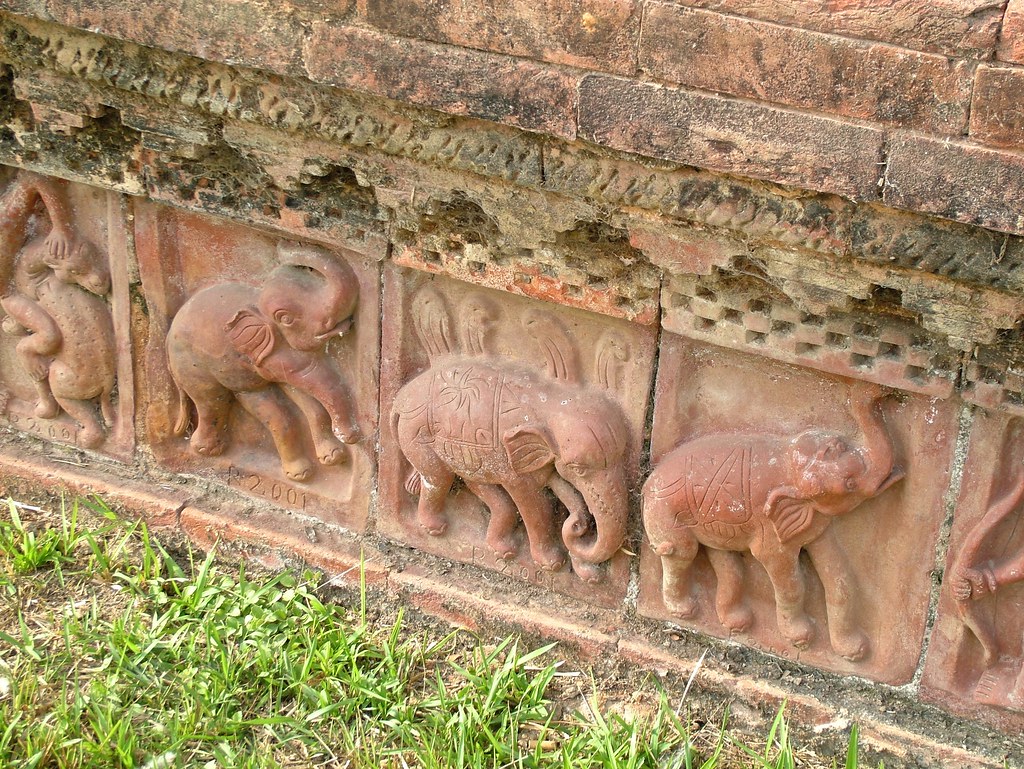
Spanning over 27 acres, Paharpur is one of the largest Buddhist viharas south of the Himalayas. Its centerpiece is a towering cruciform central shrine, a unique blend of Gupta and Pala architectural styles. The structure stands on a high plinth with intricate terracotta ornamentation that narrates scenes from everyday life, folklore, and sacred texts.
The monastery complex consists of:
🔹 177 individual monastic cells lining the four sides
🔹 Central temple with multiple terraces
🔹 Assembly halls, stupas, and votive shrines
🔹 Artistic terracotta plaques with figures of deities, animals, and mythological motifs
The meticulous layout of the monastery suggests it was not only a religious institution but also a vibrant hub of intellectual and artistic life.
Cultural and Educational Importance:
Somapura Mahavihara was part of a network of great Buddhist learning centers, alongside Nalanda and Vikramashila. It attracted monks, scholars, and translators, contributing to the spread of Buddhism across Asia. Archaeological findings, including inscriptions, sculptures, and manuscripts, highlight its role as a center of philosophy, literature, art, and religious discourse.
Visiting Paharpur Today:
Paharpur is a great place to visit if you love history or want to learn about old Bangladesh. When you go there, you can:
🔹 Walk around the ruins and see how the buildings were carefully designed
🔹 Visit the Paharpur Museum to see things found at the site
🔹 Learn about Buddhist art and the history of the area
🔹 The best time to visit is in winter (from November to February), when the weather is nice and cool.ber to February) when the weather is pleasant for walking and exploring.
Travel Tips:
🔹 Getting there: Paharpur is accessible from major cities like Dhaka or Rajshahi via road and rail. The closest major town is Joypurhat.
🔹 Accommodations: Basic hotels are available in Joypurhat and Naogaon. For a more comfortable stay, consider booking in Bogura.
🔹 Guides: Hiring a local guide can enrich your visit with stories and historical context.
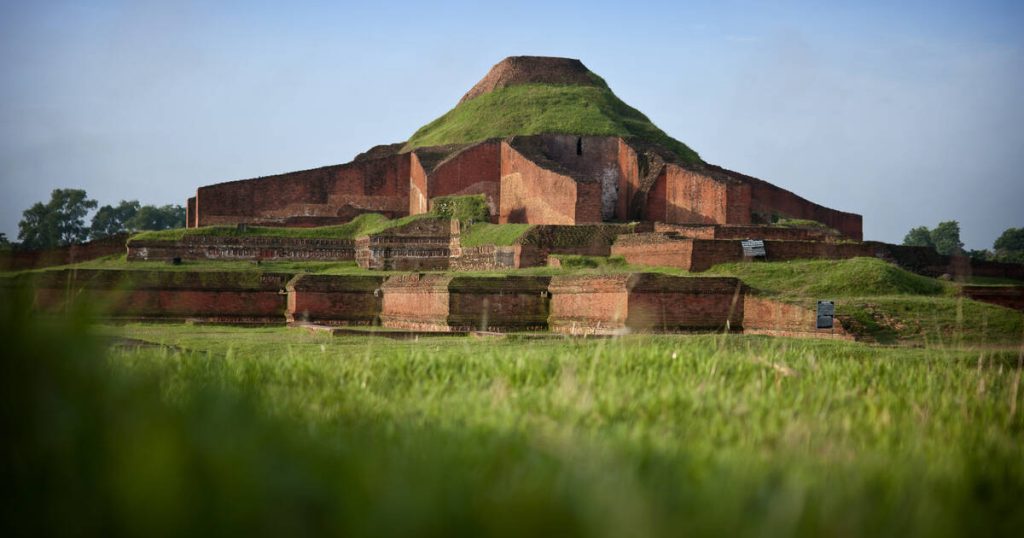
Paharpur is not just a collection of ancient bricks and relics it is a living testament to the intellectual, spiritual, and architectural zenith of ancient Bengal. As you walk through its weathered corridors and stand before its sculpted walls, you can feel the echoes of chants, debates, and meditative silence that once defined this sacred place. For anyone seeking to understand the roots of South Asian culture and the spread of Buddhism, Paharpur is a jewel waiting to be rediscovered.

 2 Nights - 3 Days