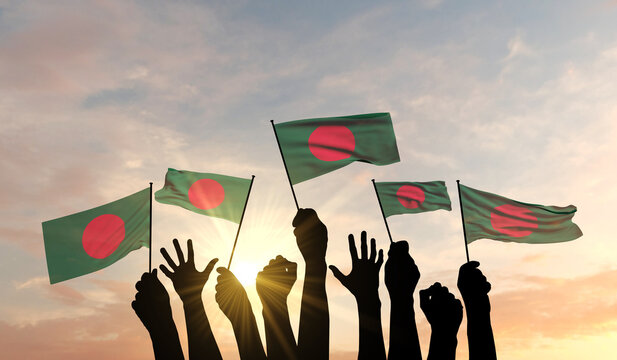
National Days in Bangladesh
National Day typically refers to a day when a country celebrates its nationhood, often commemorating independence, unification, or the establishment of a significant event in its history. The specific date and significance can vary widely depending on the country.
In Bangladesh, National Day is observed on March 26th. This day marks the declaration of independence from Pakistan in 1971, following a brutal crackdown by the Pakistani military. The day is significant as it symbolizes the struggle for sovereignty and the sacrifices made during the Liberation War. It’s a day of pride for many Bangladeshis, filled with reflection on their history and aspirations for the future.
❑ Shaheed Dibas (Martyr’s Monument):
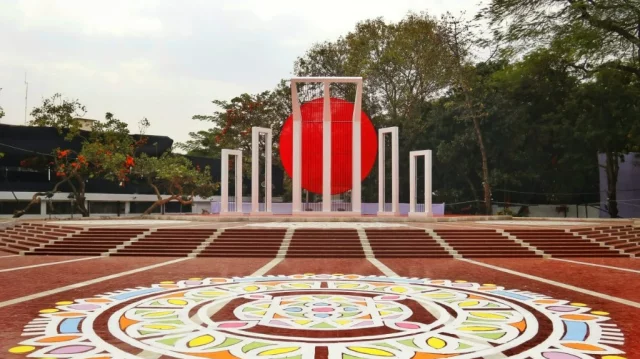
21st February is National Mourning Day and World Mother Language Day. The 21st of February is honored throughout the country as a day of respect and homage to the sacred souls of the 1952 Language Movement martyrs. On this day, blood was poured in the Central Shaheed Miner area (near Dhaka Medical College Hospital) to establish Bangla as Pakistan’s state language. The historic language movement paved the way for all following struggles, including the war for independence. The Shaheed Miner (martyr’s monument) is a symbol of sacrifice for Bengali, the mother tongue.
❑ Victory Day (16th December):
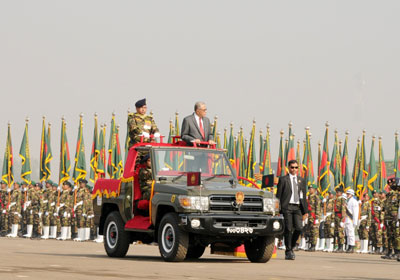
On this day, after the nine month long independence war with Pakistan, the occupying armed forces of Pakistan formally surrendered to the freedom fighters of Bangladesh. After declaration of Independence, the fight was on for the people of Bangladesh to achieve independence. Lastly victory comes at a terrible price of 3 million people killed by the marauding armies of Pakistan. In this day, like the Independence day, people of all level place floral wreaths at the National Memorial Monument at Saver and cultural organizations arrange cultural functions.
❑ Speech on 7th March:
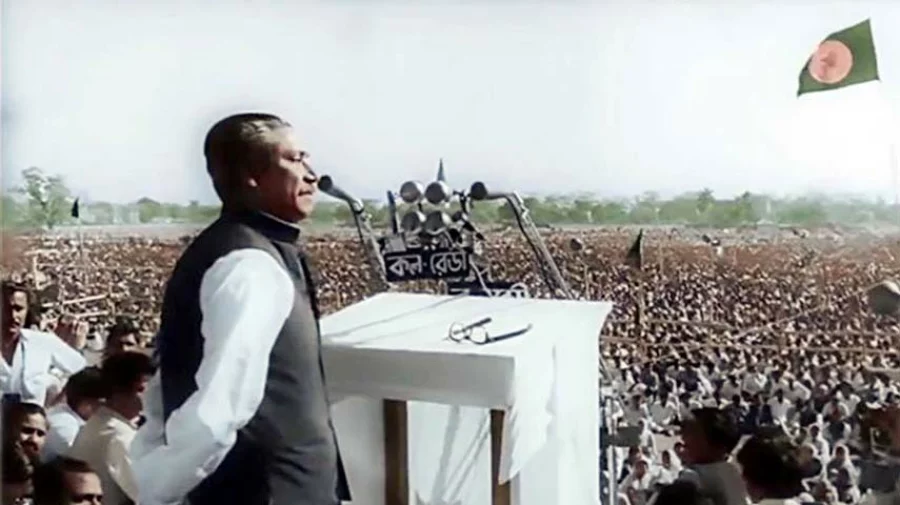
Father of the Nation Bangabandhu Sheikh Mujibur Rahman spoke to a million people at Suhrawardy Udyan (previously Race Course Maidan) on this day in 1971. In his powerful speech, Rahman urged the populace to struggle for their independence from Pakistan’s colonial control.
Every person in attendance was moved by his words: “Make your houses into strongholds; fight with all of your might. God willing, we’ve learned to make great sacrifices, and we’ll donate more blood if necessary! We’ll liberate our territory. The ageless, legendary words of Bangabandhu Sheikh Mujibur Rahman and his unforgettable speech on March 7 are without a doubt the foundation of Bangladesh’s history.
It has been regarded as one of the most powerful lectures in 2,500 years, and its unmatched impact has inspired generations over.
❑ Independence Day (26th March):
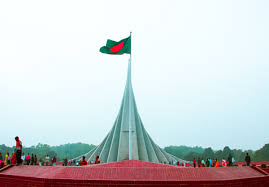
March 26 is the day of independence for Bangladesh. It is the biggest state festival. This day is most befittingly observed, and the capital wears a festive look. It is a public holiday. The citizens of Dhaka wake up early in the morning with the booming of guns heralding the day. Citizens, including government leaders, sociopolitical organizations, and freedom fighters, place floral wreaths at the National Martyrs Monument at Saver. Bangla Academy, Bangladesh Shilpakala Academy, and other socio-cultural organizations hold cultural functions. At night, the main public buildings are tastefully illuminated to give the capital city a dazzling look. Similar functions are arranged in other parts of the country.
❑ Pahela Baishakh:
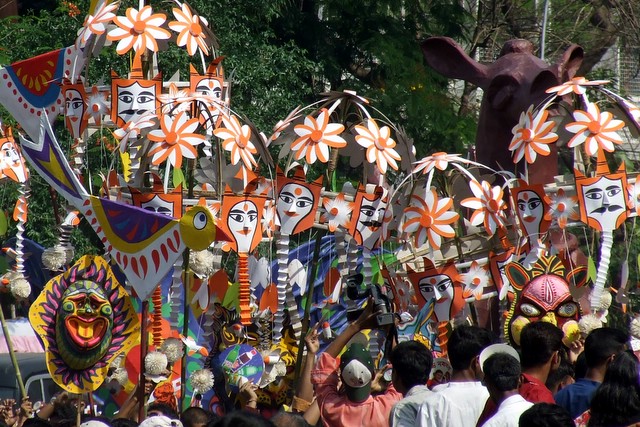
The advent of the Bengali New Year is gaily observed throughout the country. The Day (mid-April) is a public holiday. Most colorful daylong gatherings, along with arrangements of cultural programs and traditional Panta at Ramna Park, are a special feature of Pahela Baishakh. Tournaments, boat races, etc. are held in cities and villages amidst great jubilation. Many fairs are held in Dhaka and other towns and villages.
❑ International Labour Day (1st May) :
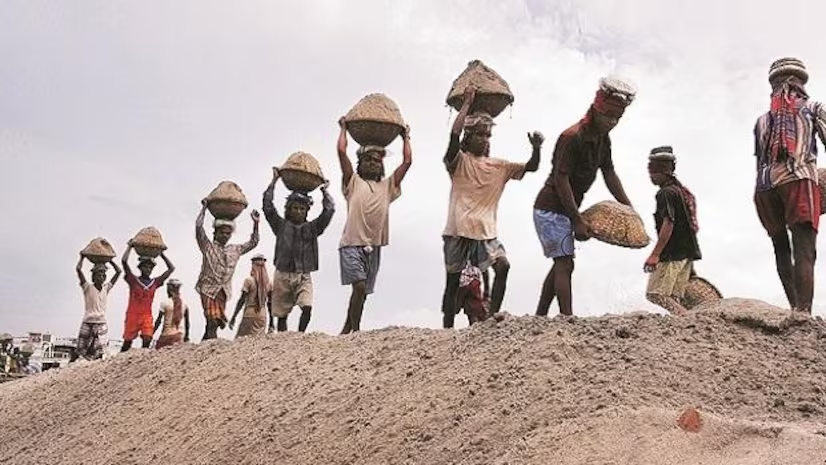
The first Monday in May Day or International Workers’ Day, also known as Labour Day in some countries and often referred to as May Day, is a celebration of labourers and the working classes that is promoted by the international labour movement and occurs every year on 1 May, May Day is being observed in Bangladesh, as elsewhere across the world, with due respect.
May Day, also known as International Workers’ Solidarity Day, commemorates the historic uprising of workers in Chicago, USA at the height of a prolonged fight for an eight-hour workday in the late nineteenth century.
❑ Sheikh Mujibur Rahman’s Birthday (17 March):
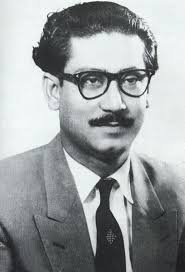
Sheikh Mujibur Born on 17 March 1920 in the village Tungipara. the vivacious leader of the Bangalee nation, the architect of independent Bangladesh and the greatest Banglee of all times, was born in a respected Muslim family at Tungipara village of Gopalganj sub-division, now district. He was the third among four daughters and two sons of his parents – Sheikh Lutfur Rahman and Saira Khatun. The nation is celebrating the day through extensive programmers with fanfare and gaiety. Bangladesh missions abroad have also chalked out elaborate programmers to celebrate the day.
In observance of the day, President M Abdul Hamid and Prime Minister Sheikh Hasina have issued separate messages. The day is a public holiday.
Marking the birth anniversary and the National Children’s Day, the national flag has been hoisted atop all buildings of government, semi government, autonomous and private organizations as well educational institutions and Bangladesh missions abroad. Different political, social and cultural organizations have also drawn elaborate.
❑ National Mourning Day (15th August):
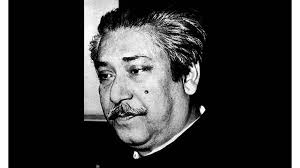
On 15 August 1975, the first president of independent Bangladesh and the “Father of The Nation” who is also called “Bangabandhu,” Sheikh Mujibur Rahman was killed by a group of army personnel, along with his family at his house in Dhanmondi in the Bangladeshi capital Dhaka.
National Mourning Day in Bangladesh is observed on August 15 each year. It commemorates the assassination of the country’s founding leader, Sheikh Mujibur Rahman, along with most of his family members in 1975. The day is marked by various ceremonies and events to honor his legacy and reflect on the sacrifices made for the nation.
❑ Jail Killing Day (3rd November):
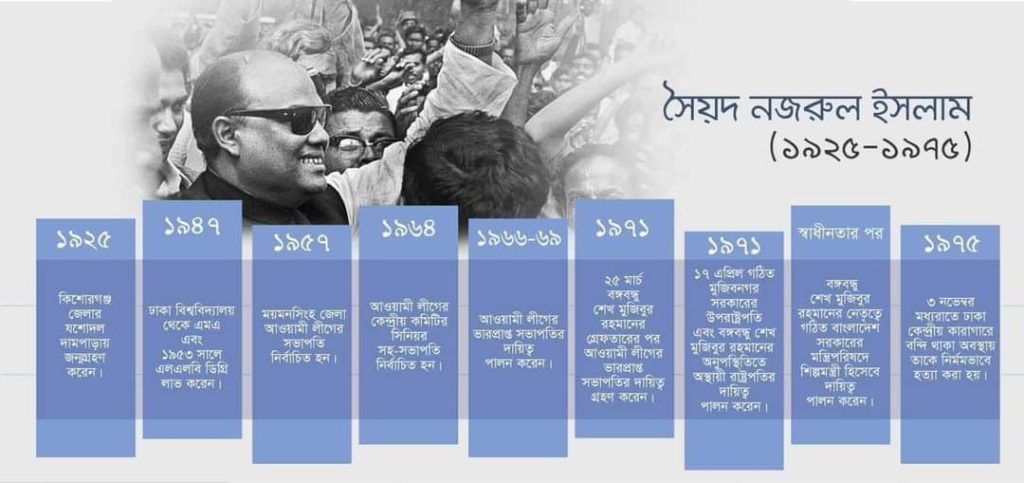
Jail Killing Day is observed by the Awami League of Bangladesh and many other political organizations on 3 November every year. It honors the assassinations of four national and Awami League leaders on this date in 1975: former home minister A H M Quamruzzaman, former prime minister Tajuddin Ahmed and Captain (Rtd.) Mansur Ali, and former vice president Syed Nazrul Islam.
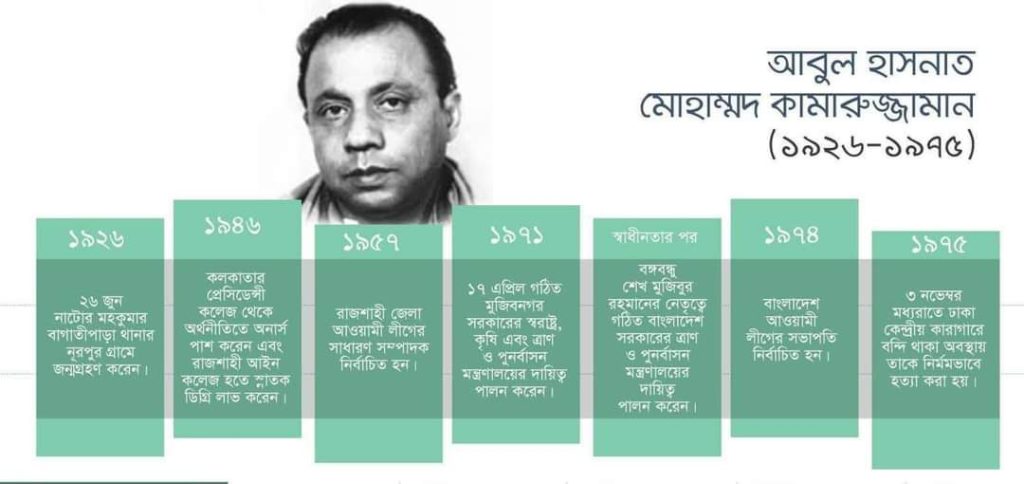
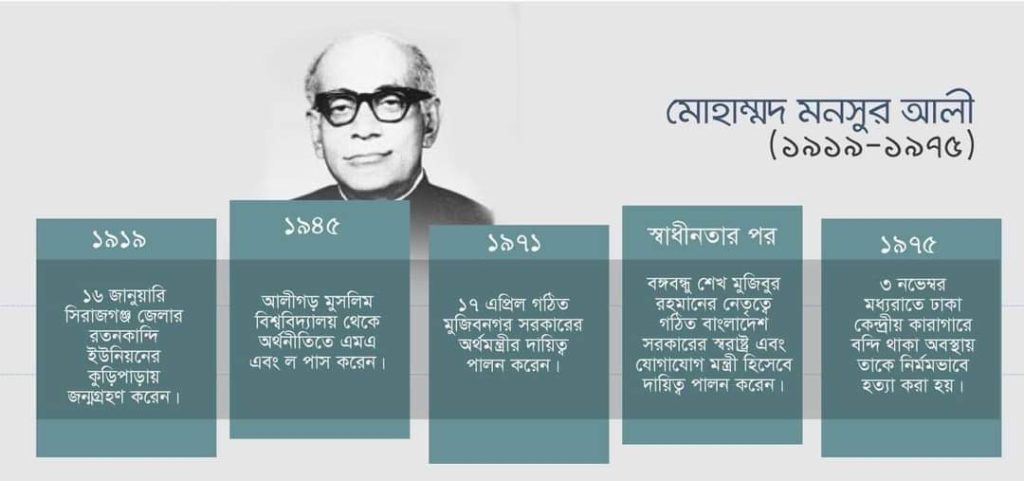
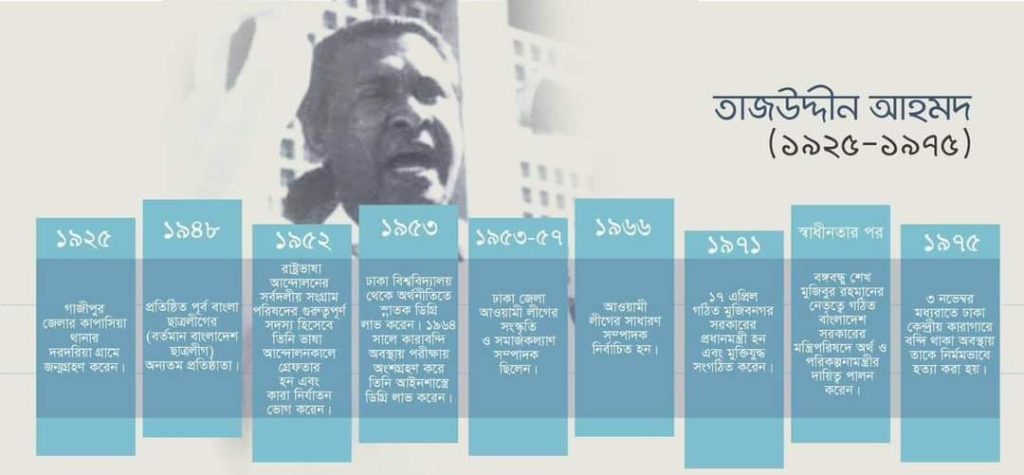
A military coup killed Sheikh Mujib, and Brigadier Khaled Musharraf later overthrew the coup leaders in a countercoup. The four leaders who were detained in Dhaka Central jail were to be killed by the assassins before they were moved into exile. Inside Old Dhaka Central Jail, army officials shot and bayoneted former Home Minister A H M Quamruzzaman, former Prime Minister of Bangladesh Tajuddin Ahmed, and Captain (Rtd.) Mansur Ali, as well as Vice-President Syed Nazrul Islam.
❑ Martyred Intellectuals Day (14th December):
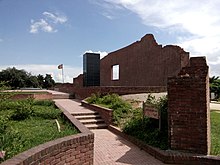
Martyred Intellectuals Memorial is a monument to commemorate the intellectual martyrs of Bangladesh Liberation War. It was first built on 22 December 1972 and has since been renovated a few times. The memorial is located in Mirpur area in Dhaka, Bangladesh Almost at the end of Liberation war of Bangladesh, when the Pakistani military became certain of their defeat, they started killing university teachers, writers, artists and statesmen in a planned manner. Especially on the night of 14 December, 1971, just two days before the official surrender, Pakistani army. along with the help of local collaborators systematically abducted hundreds of intellectuals from their houses and killed them blindfolded. The memorial is dedicated to the memory of 1971 killing of Bengali intellectuals.

 2 Nights - 3 Days