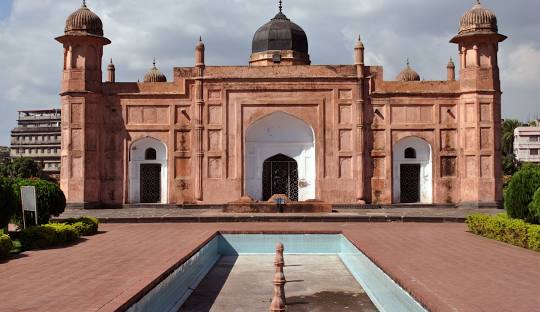
Lalbagh Fort – A Peaceful Place Full of History
Lalbagh Fort, also known as Fort Aurangabad, is one of the most well-known historical sites in Dhaka, the capital city of Bangladesh. It is located in the southwestern part of Old Dhaka, near the Buriganga River. This beautiful fort was built during the Mughal period and tells the story of power, politics, and a tragedy that stopped its construction forever.
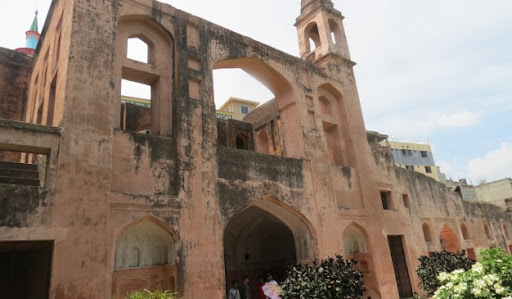
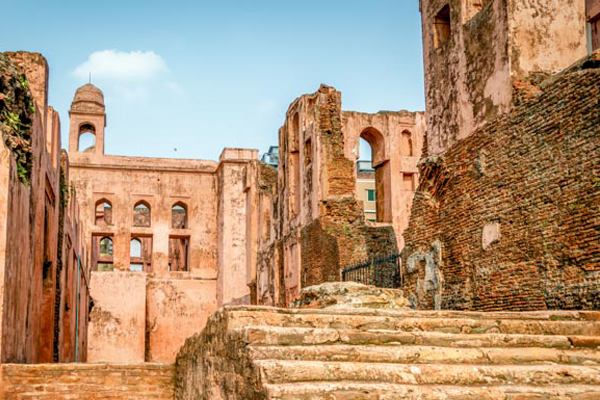
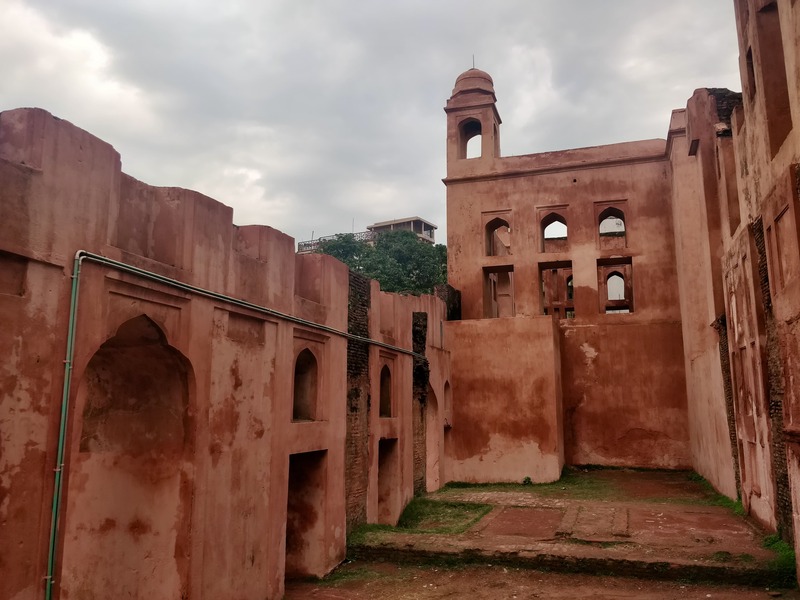
Today, Lalbagh Fort is a popular tourist attraction and a peaceful place for locals and visitors to explore, relax, and learn about Bangladesh’s rich history.
A Glimpse into History:
The construction of Lalbagh Fort began in 1678 under the order of Prince Muhammad Azam, the son of the famous Mughal Emperor Aurangzeb. Prince Azam started building the fort when he was the Subahdar (governor) of Bengal, but he was soon called back to Delhi by his father.
After that, another Mughal governor, Shaista Khan, took over the responsibility of finishing the fort. However, after the sudden death of his beloved daughter Bibi Pari, who was buried inside the fort, he lost interest in completing the construction. As a result, the fort remained unfinished, which gives it a special and mysterious feeling even today.
What to See Inside Lalbagh Fort:
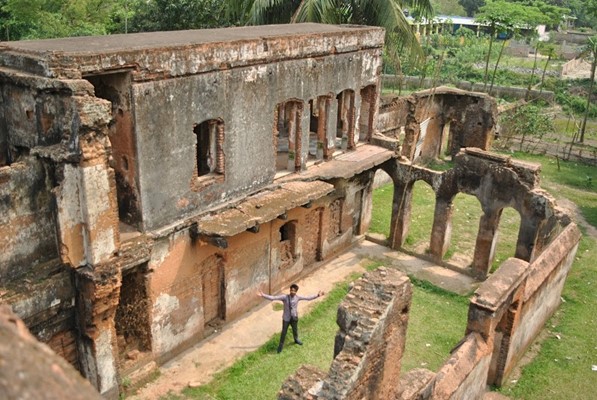
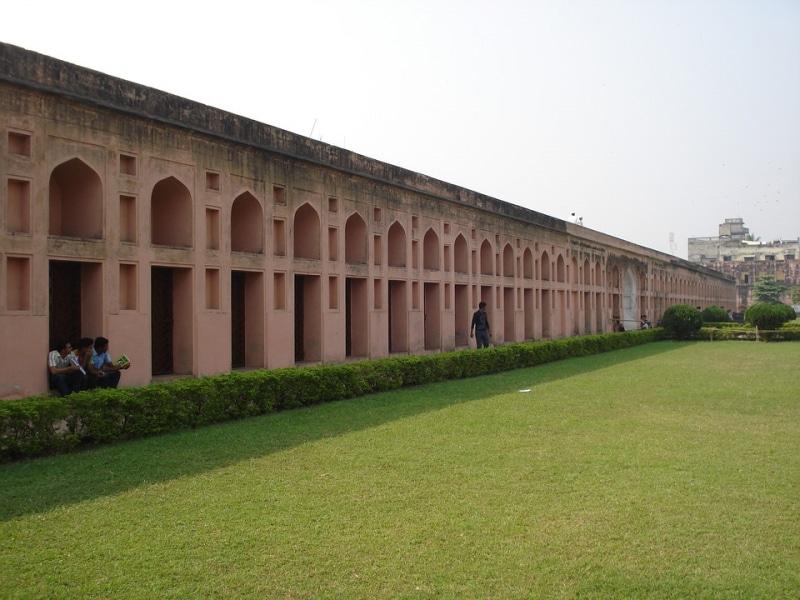
Lalbagh Fort covers an area of about 18 acres and contains several important and historical buildings. Here are the main attractions inside the fort:
❑ Tomb of Bibi Pari
This is the most famous and emotional part of the fort. Bibi Pari, the daughter of Shaista Khan, died at a young age, and her tomb was built in the middle of the fort. The tomb is a small but beautiful building made of white marble and black basalt stones, with a lovely garden around it. The inside of the tomb is decorated with floral tiles, and there is a small room with her grave.
❑ Diwan-i-Aam (Audience Hall)
This was the place where the governor met with local people and guests. The building now serves as a museum, where you can see many Mughal-era artifacts like:
🔹 Swords, guns, and other weapons
🔹 Paintings and calligraphy
🔹 Coins, clothes, and pottery
🔹 Maps and historical documents
The museum gives you a good idea of what life was like during the Mughal rule in Bengal.
❑ Lalbagh Mosque
The mosque is a small but elegant building with three domes, built in typical Mughal architectural style. It is still used for prayers today and adds a peaceful spiritual atmosphere to the fort complex.
❑ Gardens and Walkways
The fort is surrounded by beautiful green gardens, fountains, and long walkways. These areas are great for taking photos, having a walk, or simply relaxing. Many people come here with their families to enjoy nature and escape the noise of the city.
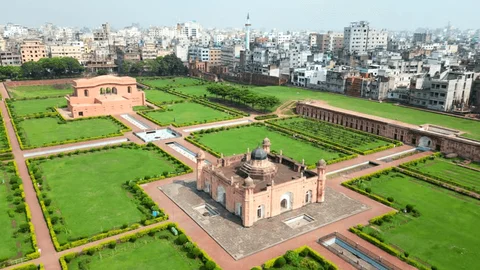
Even though Lalbagh Fort was never completed, it remains a powerful symbol of Dhaka’s Mughal past. The unfinished nature of the fort, the tragic story of Bibi Pari, and the beauty of the architecture make it one of the most interesting places to visit in the city. It’s not only a place to learn about history, but also a peaceful escape from the busy streets of Dhaka. Whether you’re a local or a tourist, young or old, Lalbagh Fort has something for everyone.


 2 Nights - 3 Days