
Khalisha Flowers Honey in Sundarbans – Nature’s Liquid Gold
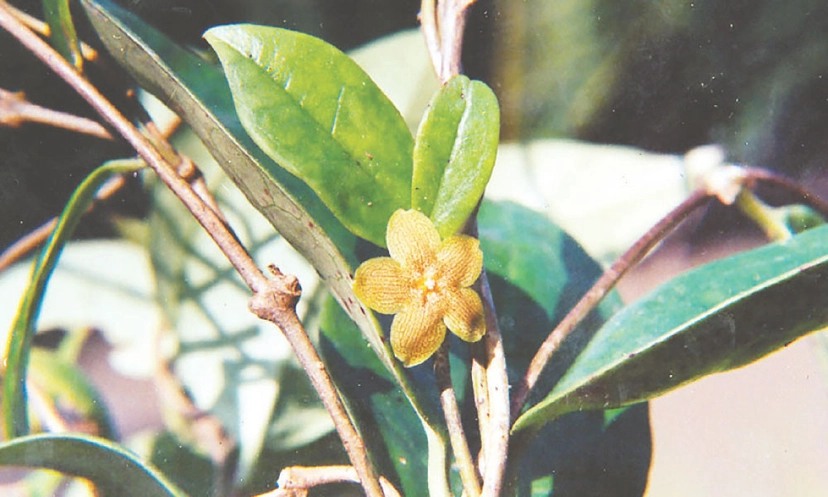
The Sundarbans, a vast and mysterious mangrove forest, is not only famous for its Royal Bengal Tigers and unique biodiversity but also for its rich and natural honey production. One of the most prized varieties of honey collected from this region is Khalisha Flowers Honey, a golden nectar derived from the blossoms of the Khalisha tree (Aegiceras corniculatum). This honey is known for its rich taste, medicinal properties, and cultural significance among the honey collectors, known as Mawalis.
The Khalisha Tree and Its Blossoms:
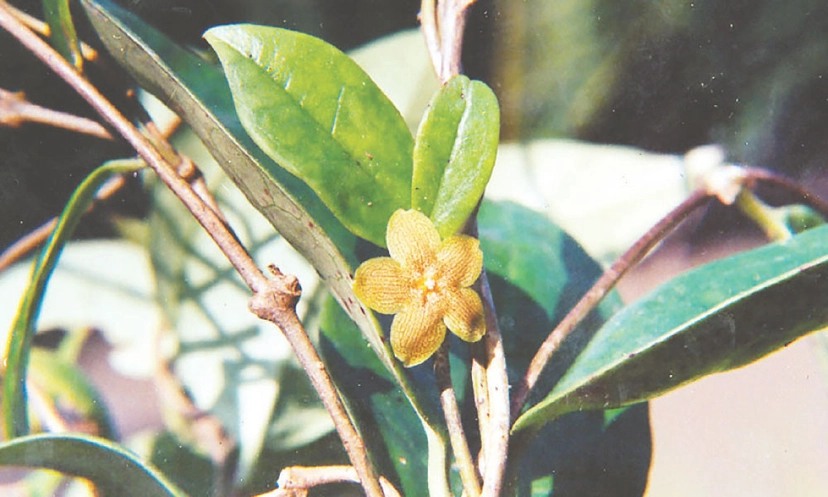
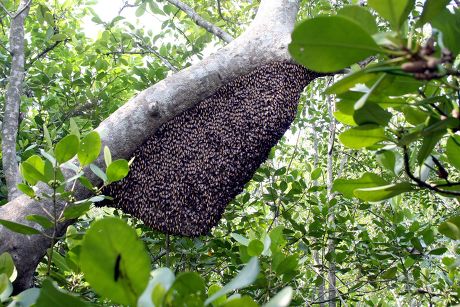
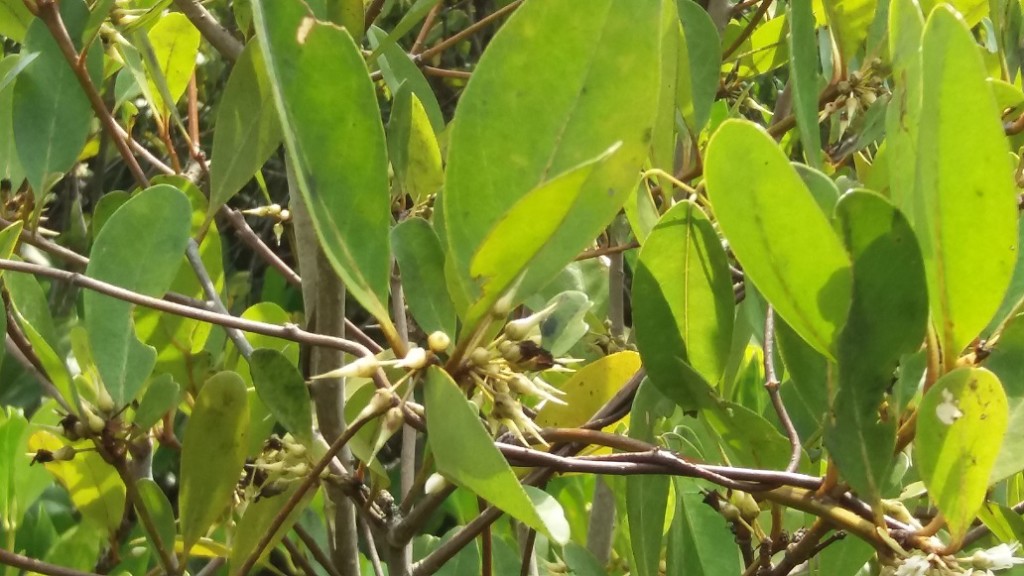
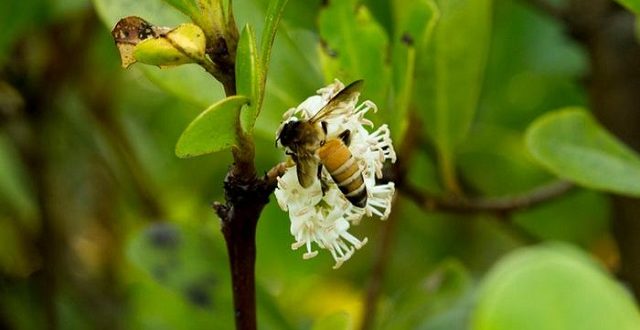
The Khalisha tree is a native species found in the brackish waters of the Sundarbans. It is a small, evergreen tree that thrives in the saline and muddy environment of the mangrove ecosystem. The tree produces small, white flowers with a distinct fragrance, which attract thousands of bees, particularly the Apis dorsata, also known as the giant honeybee.
These flowers bloom mainly between March and May, a period when the Sundarbans come alive with the buzzing of bees collecting nectar. The unique geography and climate of the region give Khalisha honey its distinct taste, aroma, and nutritional benefits.
Collection Process (The Life of the Mawalis):


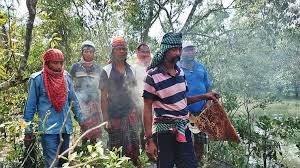
The collection of Khalisha honey is a time-honored tradition in the Sundarbans, carried out by Mawalis, the traditional honey hunters. The process is both dangerous and skill-intensive, as honey collectors venture deep into the forest, braving tiger-infested areas, crocodile-inhabited waters, and venomous snakes to harvest honey from wild beehives.
Steps of Honey Collection:
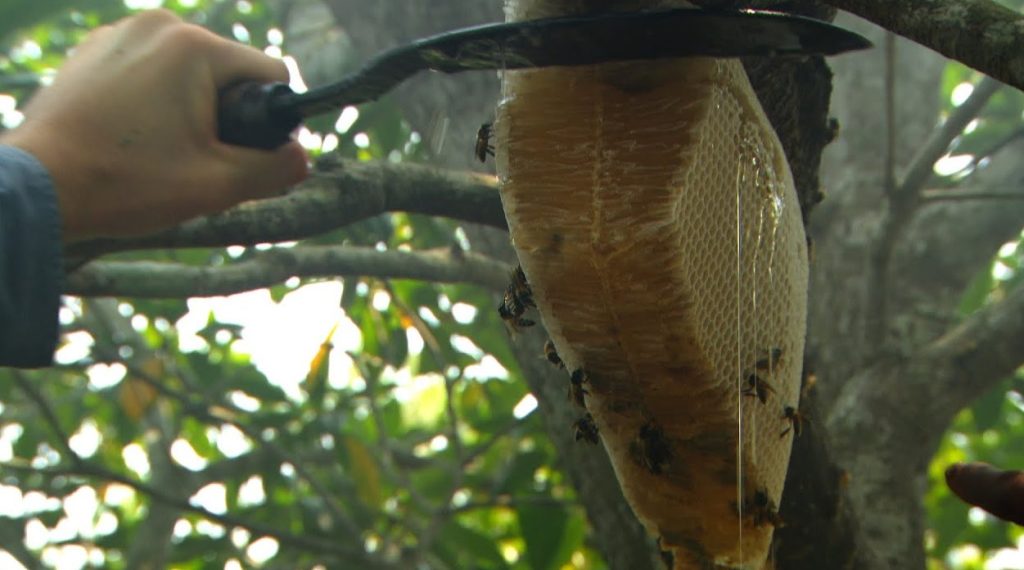

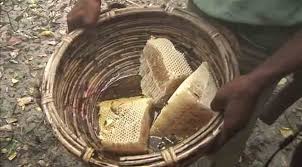
1) Preparation & Worship: Before entering the forest, Mawalis perform a ritual to seek blessings from Bonbibi, the guardian deity of the Sundarbans, for protection against tigers and other dangers.
2) Locating the Beehives: Using their experience, they track the Khalisha flowers and identify beehives located high up in trees.
3) Smoking the Beehive: They use smoke to calm the bees before carefully cutting the honeycomb.
4) Extracting Honey: The raw honey is collected in containers, while some parts of the hive are left intact to allow bees to continue their natural cycle.
5) Returning Safely: The collected honey is then filtered and packed for sale in local and international markets.
Nutritional and Medicinal Benefits of Khalisha Honey:
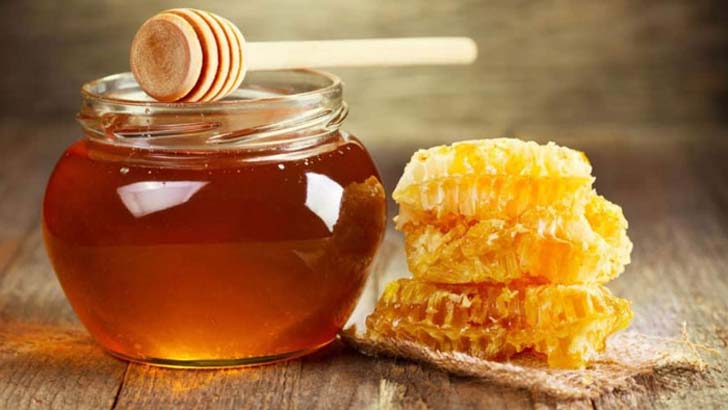
Khalisha honey is not only delicious but also has several health benefits.
🔹 Rich in Antioxidants: Helps in reducing oxidative stress and preventing cell damage.
🔹 Boosts Immunity: Contains antibacterial and antiviral properties, making it an excellent natural remedy for colds, coughs, and infections.
🔹 Good for Digestion: Helps in soothing stomach problems and improving gut health.
🔹 Natural Energy Booster: The high carbohydrate content makes it a great natural energy source.
🔹 Wound Healing Properties: Used in traditional medicine for treating wounds, burns, and skin infections.
Economic and Cultural Importance:
The honey industry in Sundarbans provides livelihood to thousands of Mawalis and their families. Khalisha honey is highly valued in local markets, Ayurveda medicine, and international exports. The demand for this organic and chemical-free honey is rising, providing better economic opportunities for honey collectors. Moreover, honey collection is deeply rooted in the cultural heritage of the Sundarbans, with stories, songs, and traditions built around the dangerous yet rewarding profession of the Mawalis.
Khalisha Flowers Honey is one of Sundarbans’ greatest natural treasures, offering unique flavor, immense health benefits, and economic opportunities for local communities. However, sustainable practices and conservation efforts are essential to ensure that this natural gift remains abundant for future generations. The Mawalis’ bravery, Sundarbans’ rich biodiversity, and the exquisite taste of Khalisha honey make it a rare and valuable part of the world’s natural heritage.


 2 Nights - 3 Days