
Kantaji Temple – A Terracotta Marvel of Bengal’s Heritage
‘The terracotta beauty’ of Dinajpur is popularly recognised as The Kantaji Temple, an outstanding example of ancient beauty and architectural skill. This temple is about 20 kilometers north of Dinajpur, near the Dinajpur-Tetulia highway in the small town of Kantanagar, isolated from the mainland by the Dhepa River.
Historical Background:
Built between 1704 and 1752 CE, Kantaji Temple was commissioned by Maharaja Pran Nath and later completed by his son Maharaja Ram Nath. Dedicated to Lord Krishna, the temple reflects the deep influence of the Vaishnavism movement that swept Bengal in the 17th and 18th centuries.
Originally constructed in the traditional navaratna (nine-spired) architectural style, the temple suffered damage during the 1897 Assam earthquake, which destroyed the spires. Despite this, the temple remains a commanding presence and a treasured national heritage site.
Terracotta Art: A Living Chronicle in Clay
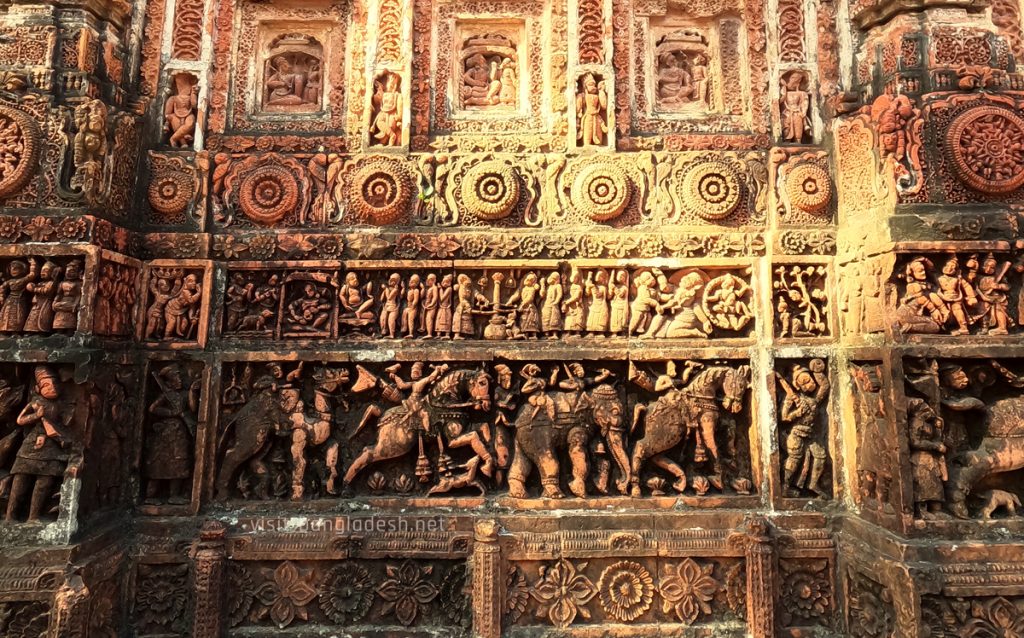
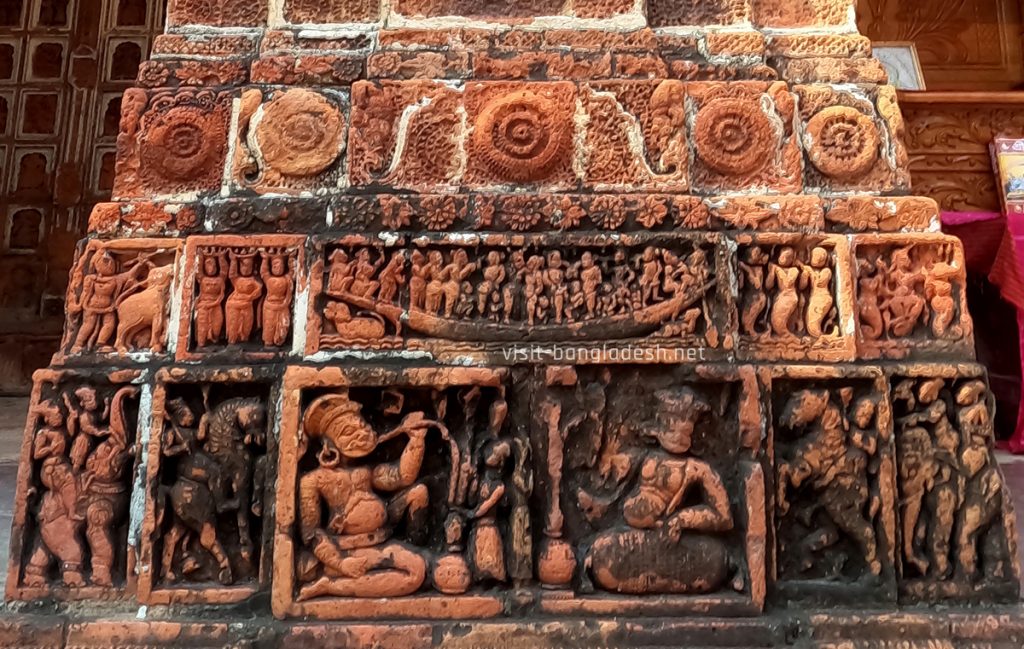
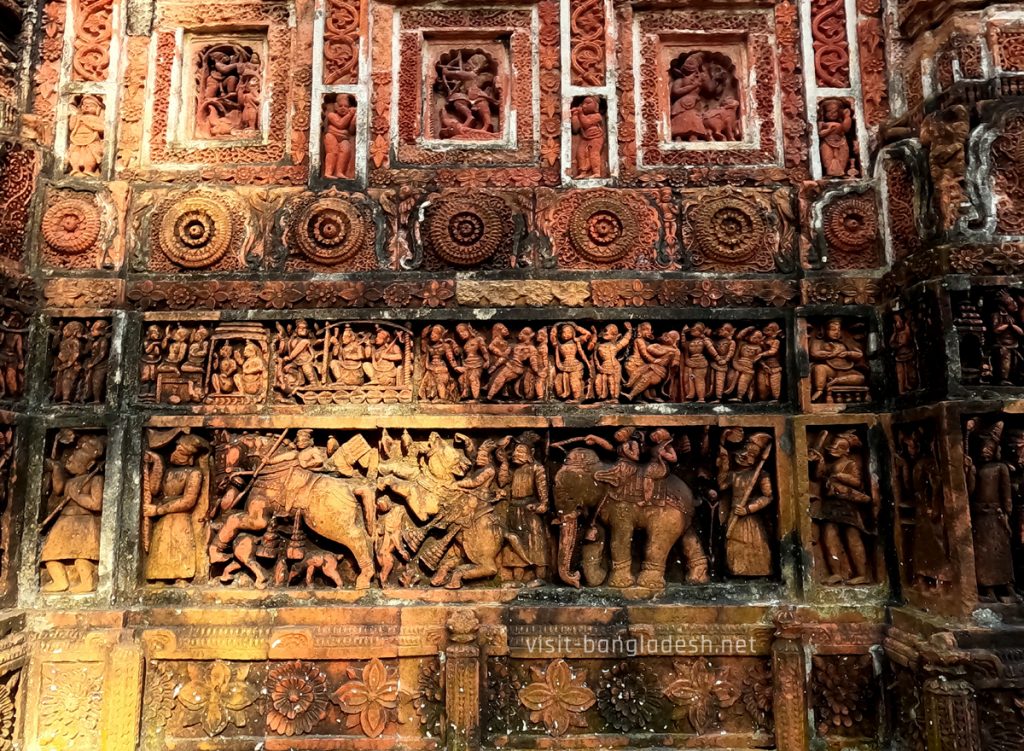
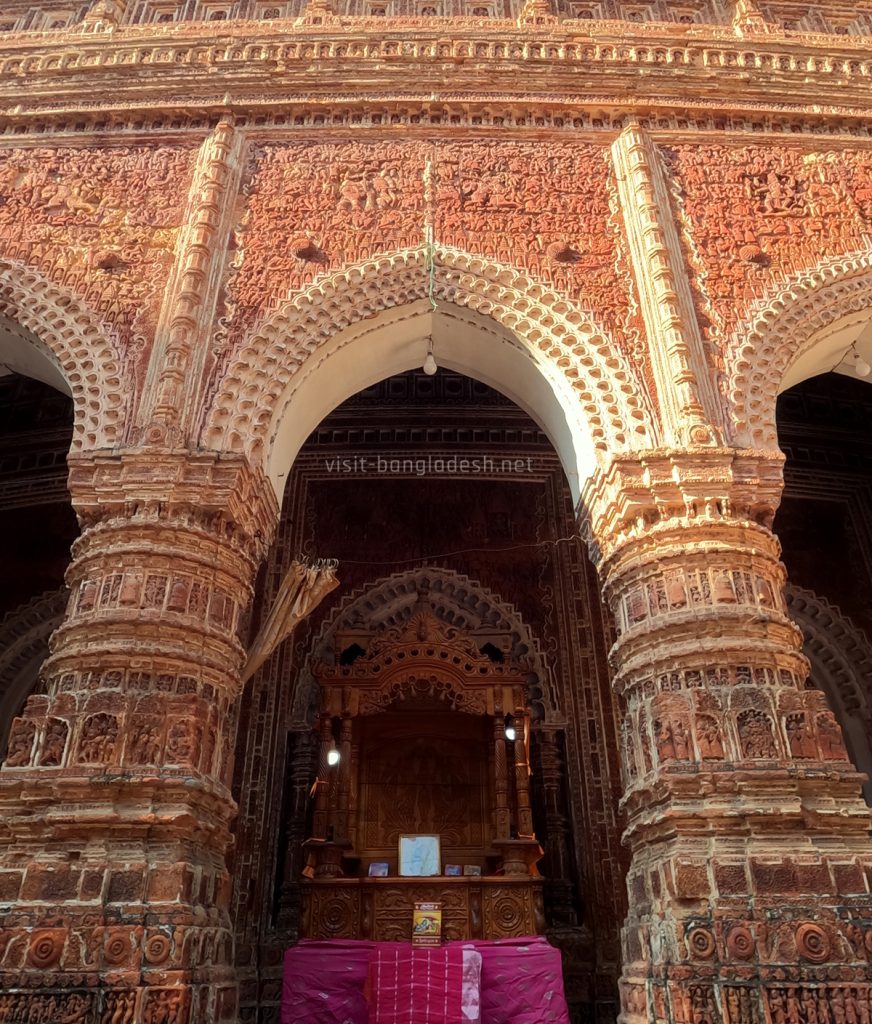
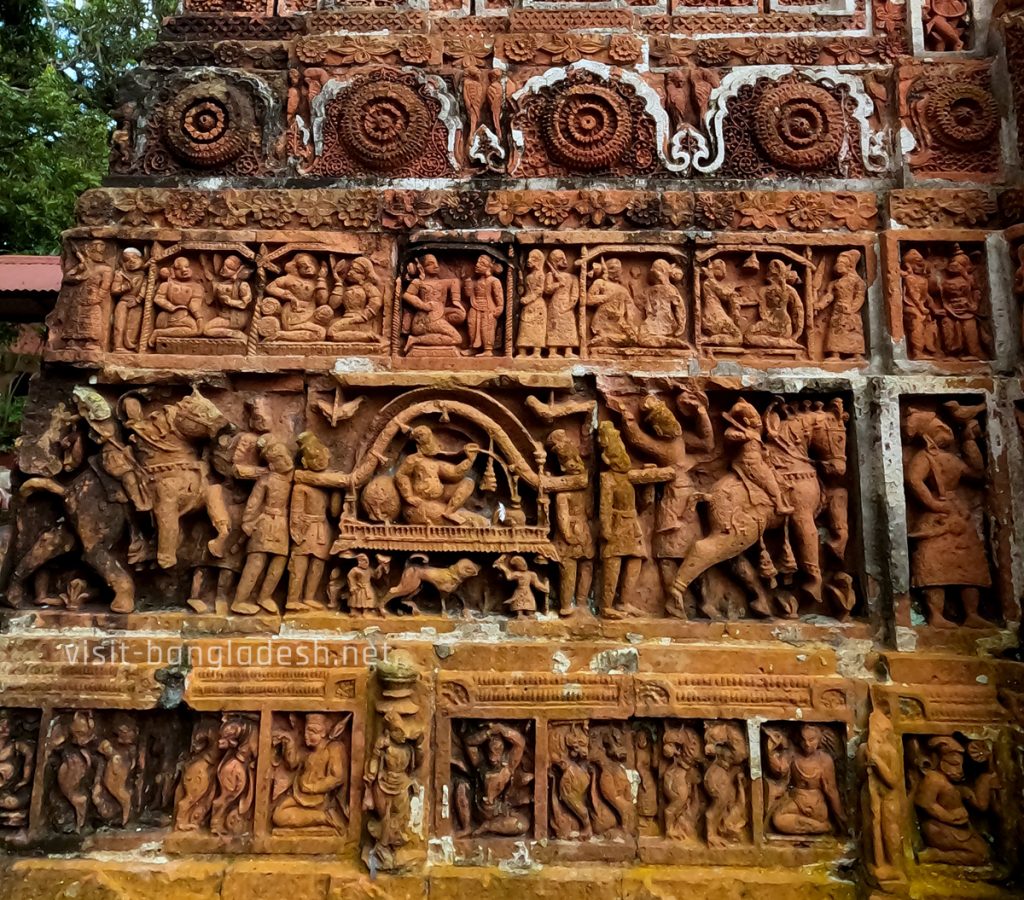
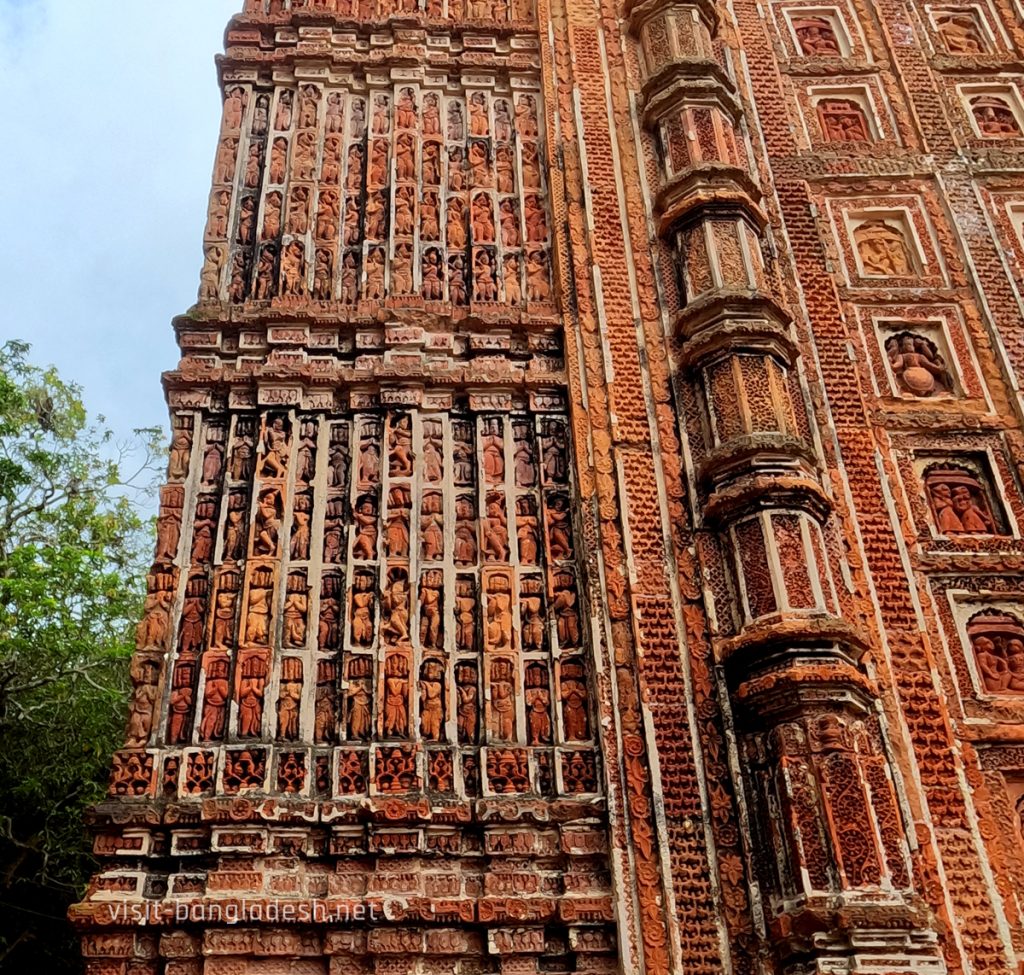
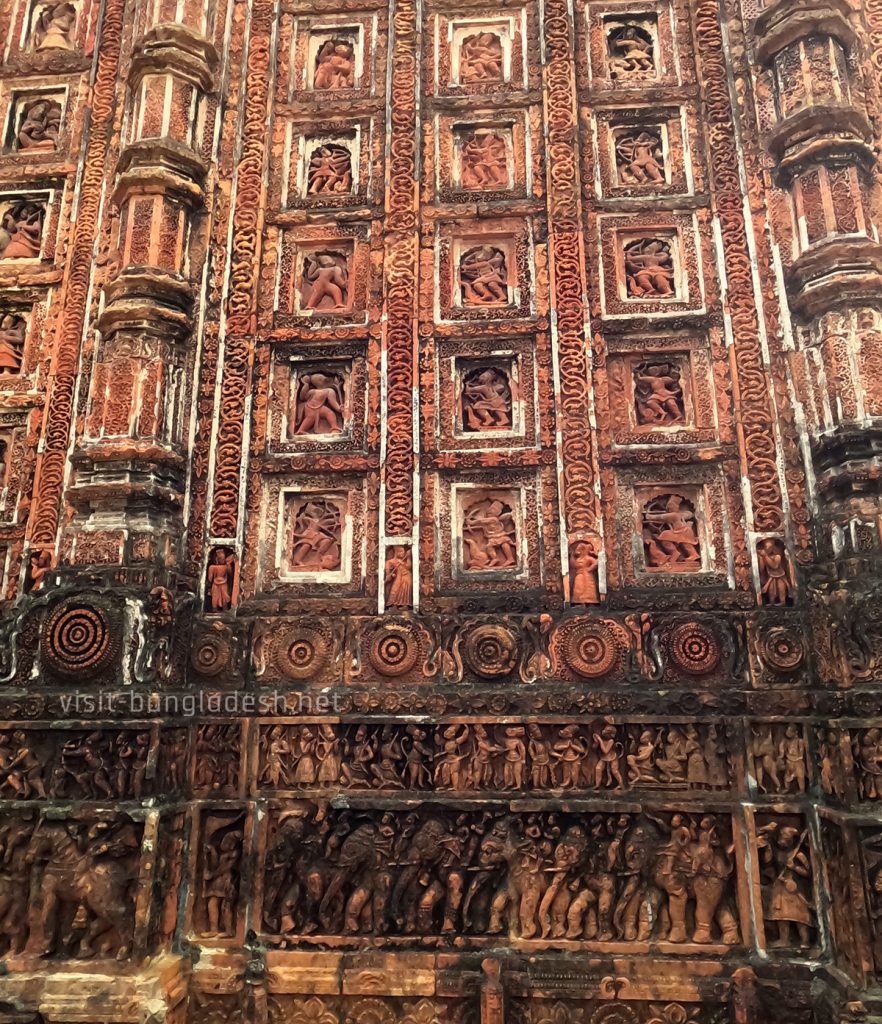
The most striking feature of Kantaji Temple is its terracotta ornamentation. Its walls are covered with over 15,000 intricately carved terracotta panels, each depicting scenes from:
🔹 The Ramayana and Mahabharata
🔹 The life of Lord Krishna
🔹 Folk tales and village life
🔹 Royal processions, musicians, and dancers
🔹 Hunting scenes and social customs of 18th-century Bengal
These panels offer a vivid visual narrative that blends mythology, culture, and the everyday life of a bygone era making the temple not just a place of worship, but a cultural archive etched in brick.
Architectural Brilliance:
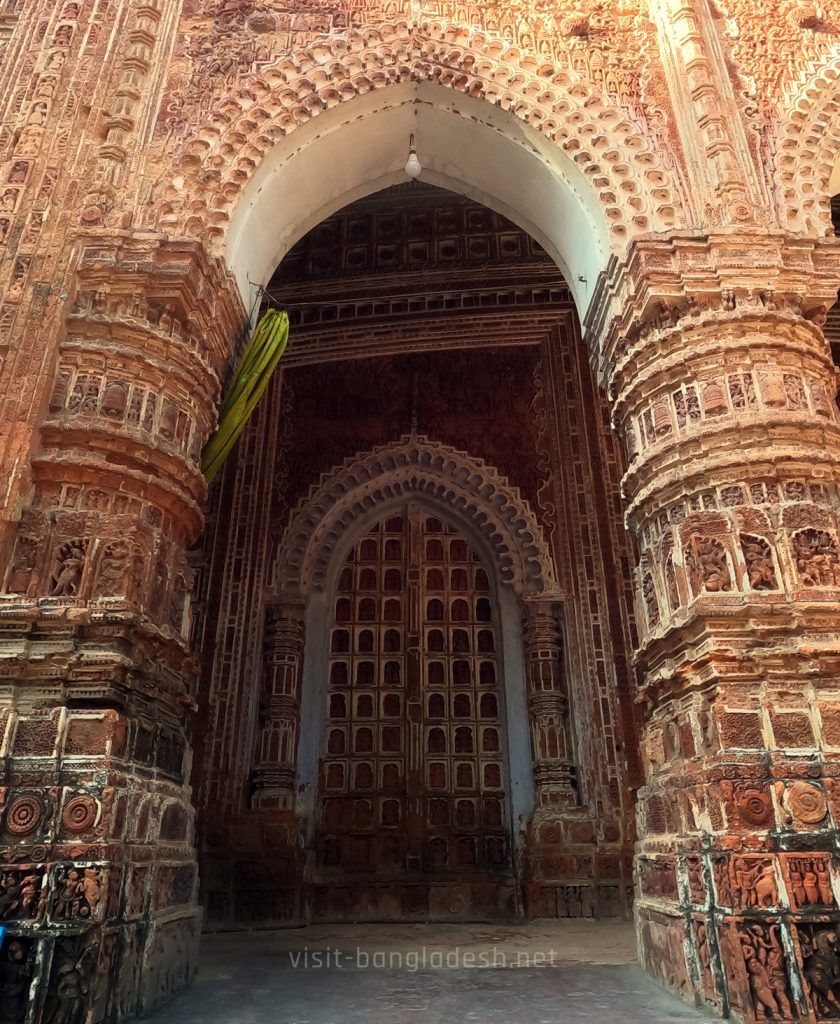
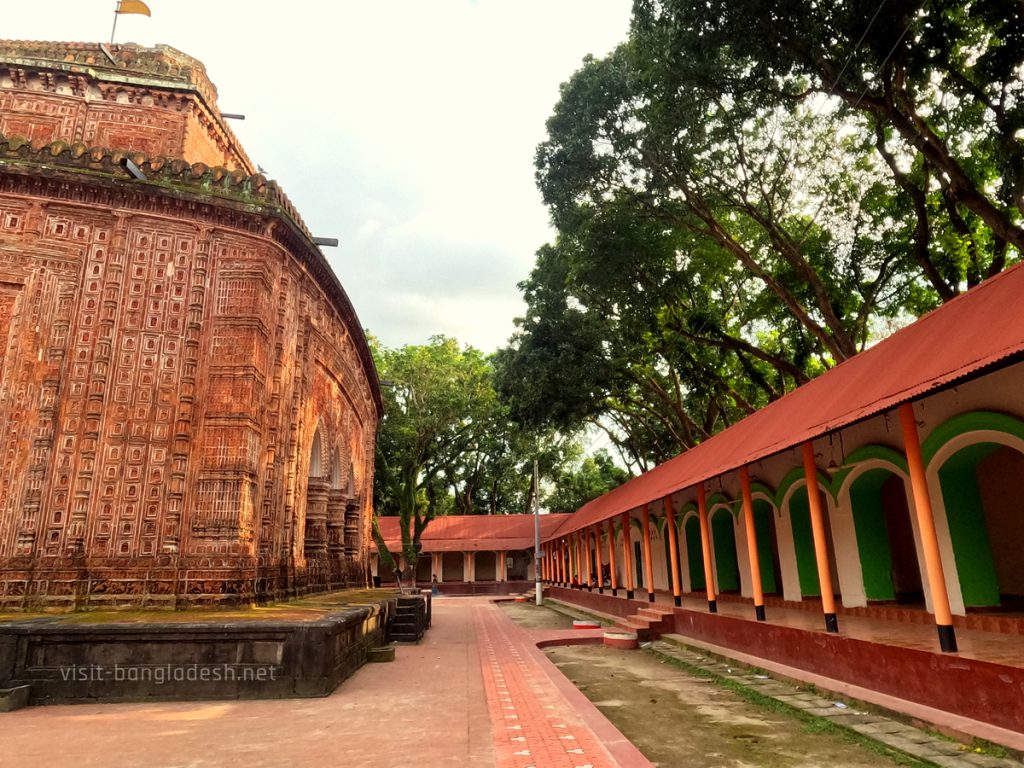
Kantaji Temple is built on a square base and has three floors. Although the nine original spires are no longer there, the temple’s design and shape still amaze visitors.
Key features include:
🔹 Multi-cusped arches
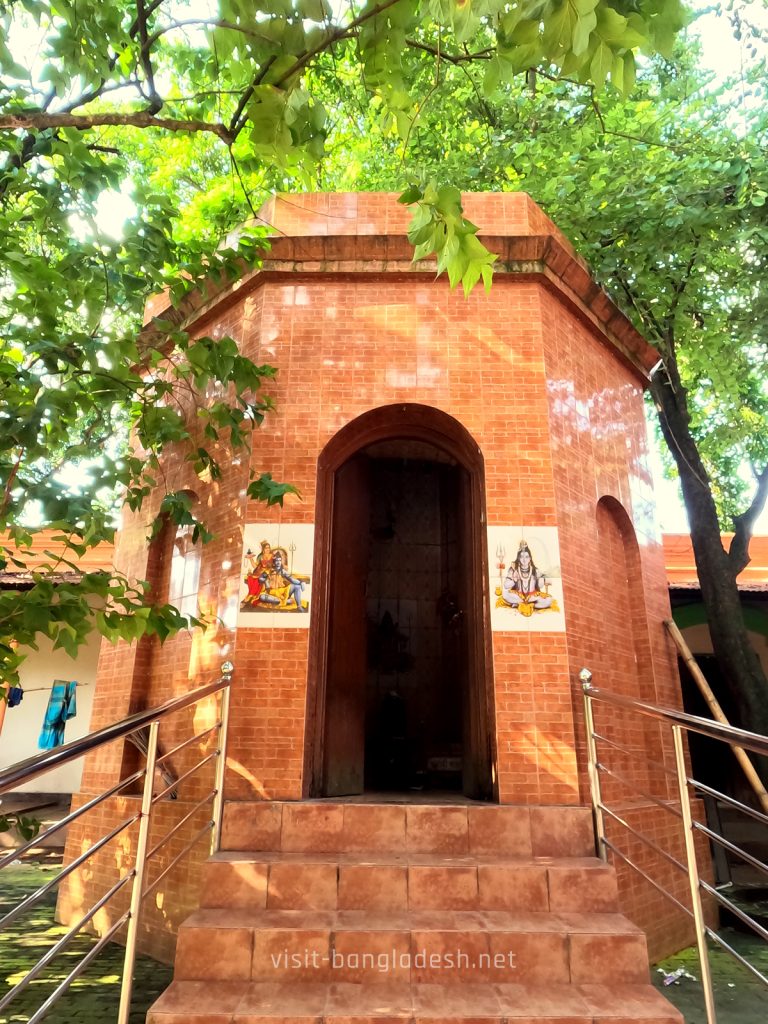
🔹 Semi-octagonal niches
🔹 Stucco ornamentation
🔹 Domed roofs and lotus motifs
🔹 Layered cornices with floral detail
The temple seamlessly fuses Hindu temple architecture with elements from Mughal design, demonstrating the syncretic spirit of Bengal during that era.
Cultural and Religious Significance:
Kantaji Temple is not just a monument it remains a living place of devotion. Major religious festivals like Rash Mela and Janmashtami are celebrated here with great fervor, drawing thousands of pilgrims and visitors every year. During the Rash festival, the temple becomes a vibrant cultural hub with music, dance, fairs, and spiritual rituals.Cultural and Religious Significanc.
The Kantaji Temple in Dinajpur is a special place where faith, art, and history come together. If you want to feel the true spirit of Bengal, visiting this temple is a must. It’s not just beautiful to look at — it also gives you a deep sense of the past and spirituality. Whether you love history, architecture, or are on a spiritual journey, the temple will amaze you. Its terracotta walls seem to tell stories of devotion, skill, and the Bengal of long ago.


 2 Nights - 3 Days