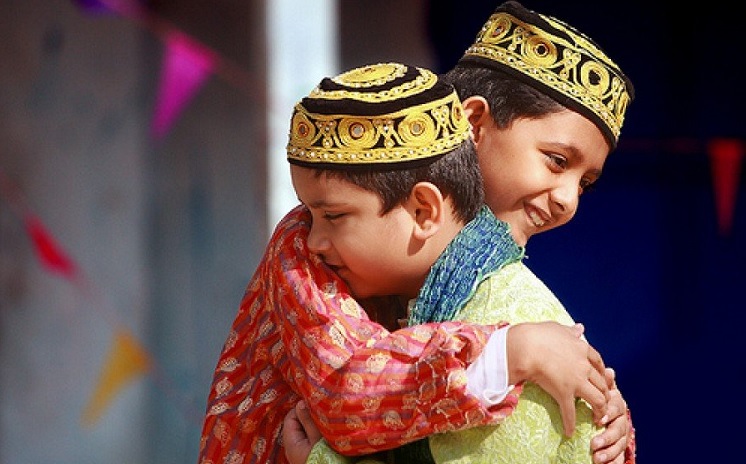
Religious Fastives in Bangladesh
Bangladesh is a country where all ethnic groups (Muslim, Hindu, Christian, and Buddhist) coexist as brothers and sisters. They have many religious holidays. Some of the most well-known festivals are listed above. Every year, religious festivals are commemorated with dignity. These holidays are celebrated not only in cities, but also in countryside, where it is customary to be pleased at the end. There are also religious folks that come into confrontation during these festival days. Tims can be a fantastic example of brotherhood.
❑ Eid-e-Miladunnabi :
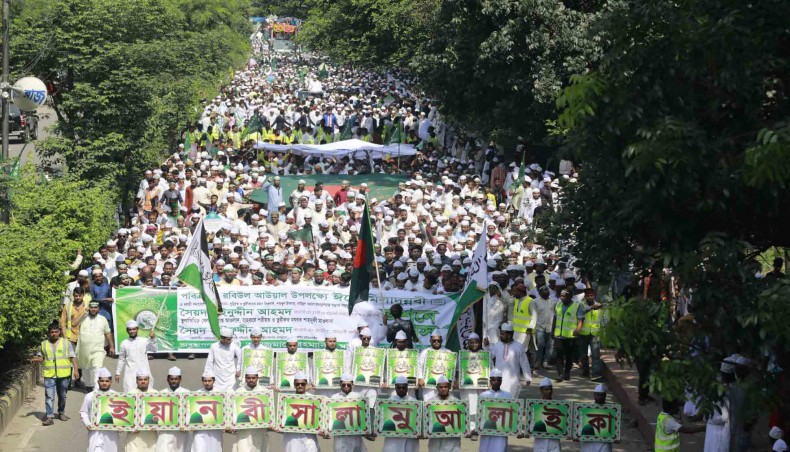
Eid-e-Miladunnabi is the birth and death day of Prophet Muhammad (s). He was born and died the same day on 12th Rabiul Awal (Lunar Month). The day is a national holiday. The national flag is flown over public and private houses, and special food is served in orphanages, hospitals, and jails. At night, important public buildings are illuminated and milad mahfils are held.
❑ Eid-ul-Fitr:
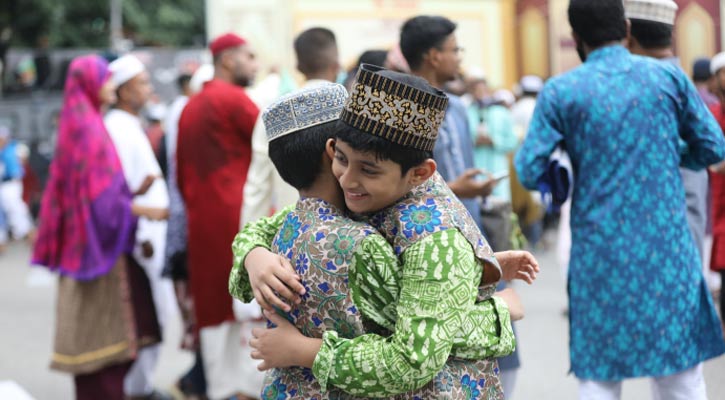
The biggest Muslim festival is observed throughout the world. This is held on the day following Ramadan or the month of fasting. In Dhaka, big congregations are held at the National Eidgah and many mosques.
On Eid day, the Eid prayers are held all over the country, in open areas like fields or inside mosques. After the Eid prayers, people return home, visit each other’s home, and eat sweet dishes called shirni. Throughout the day, gentlemen embrace each other. It is also customary for junior members of the society to touch the feet of the elders and seniors returning blessings (sometimes with a small sum of money as a gift). In the rural areas, the Eid festival is observed with great fanfare. In some areas, Eid fairs are arranged. Different types of games, including boat racing, kabaddi, and other traditional Bangladeshi games, as well as modern games like cricket and football, are played on this occasion. In urban areas, people play music, visit each other’s houses, and eat cat-special food. Watching movies and television programs has also become an integral part of the Eid celebration in urban areas. All local TV channels air special programs for several days for this occasion.
❑ Eid-ul-Azha:
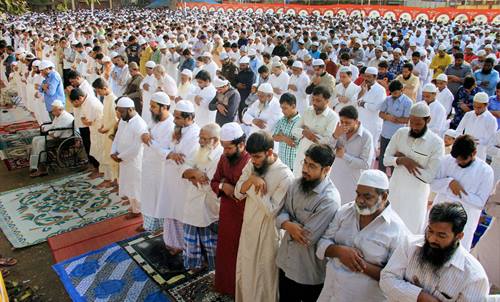
Second biggest festival of the Muslims. It is held marking the Hajj in Mecca on the 10th Zilhaj, the lunar month. Eid congregations are held throughout the country. Animals are sacrificed in reminiscence of Hazrat Ibrahim’s (AM) preparedness for the supreme sacrifice of his beloved son to Allah. It is a public holiday.
❑ Ifter- holy:
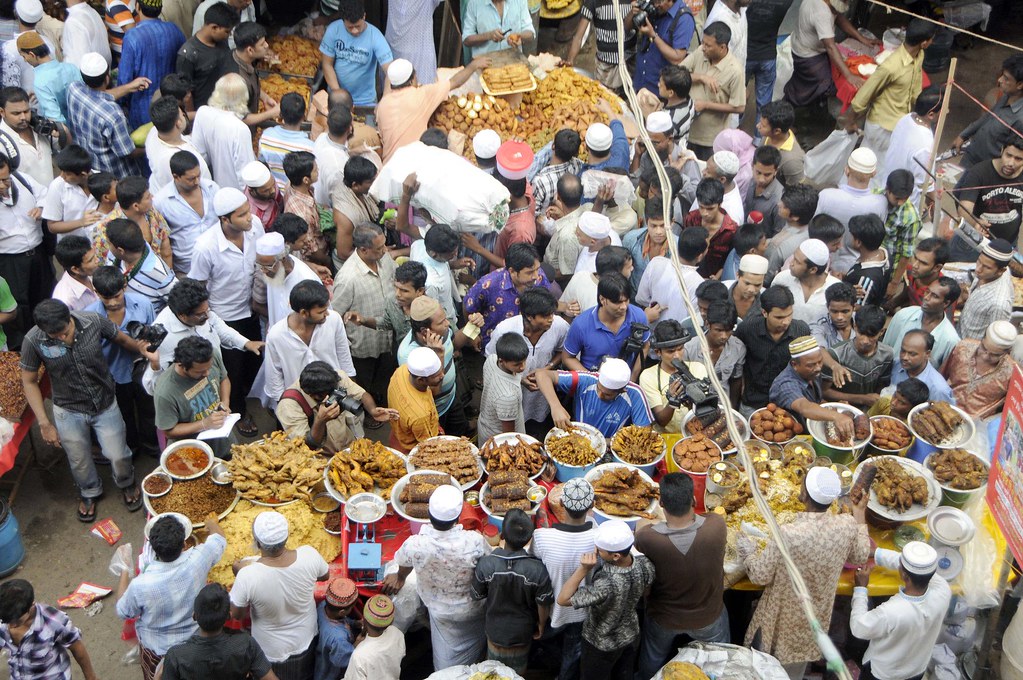
Although predominantly a Muslim festival, Ramadan has Bangladeshis of all faiths going to old Dhaka to experience the thousands of variations of snacks that are used to break the daylong fast. Old Dhaka has been historically known for its iftar market, where items are sold in bulk and some of the items are exclusive, while most of the items are also found elsewhere in the city. Different variations of dates are also available. It is an absolute delight to see the iftar market buzzing with people right before the sunset as people break their fast at the call of the Maghrib azaan. The iftar market lasts for 30 days of Ramadan, culminating in Eid, which is the biggest religious festival for the Muslim community.
❑ Ashura (10th Muharram):
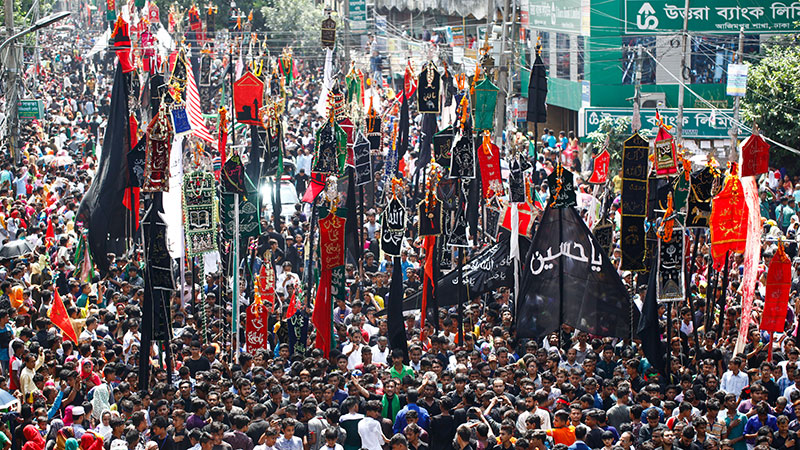
The Muharram procession is a ceremonial mournful procession of the Muslim community. A large procession is brought out from the Hussaini Dalan Imambara on 10th Muharram in memory of the tragic martyrdom of Imam Hussain (RA) on this day at Karbala in Iraq. The same observations are made elsewhere in the country.
❑ Durga Puja:

Durga Puja, the biggest festival of the Hindu community, continues for ten days, the last three days being culmination with the idol immersed in rivers. In Dhaka, the big celebrations are held at Dhakeswari Temple, where a fair is also held, and at the Ram Krishna Mission.
❑ Krishna Janmashtami:
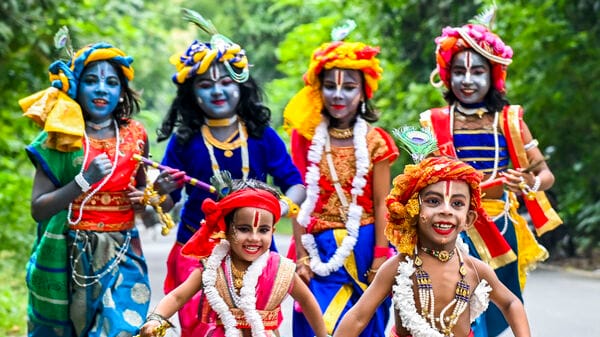
Krishna Janmashtami, also known simply as Krishnashtami, Janmashtami, or Gokulashtami, is an annual Hindu festival that celebrates the birth of Krishna, the eighth avatar of Vishnu. In certain Hindu texts, such as the Gita Govinda, Krishna has been identified as the supreme God and the source of all avatars. The amanta tradition celebrates and observes Krishna’s birth on the eighth day (Ashtami) of the dark fortnight in Shravana Masa. According to the Purnimanta tradition, Krishna’s birth is celebrated on the eighth day (Ashtami) of the dark fortnight (Krishna Paksha) in Bhadrapada Masa.
❑ Christmas:
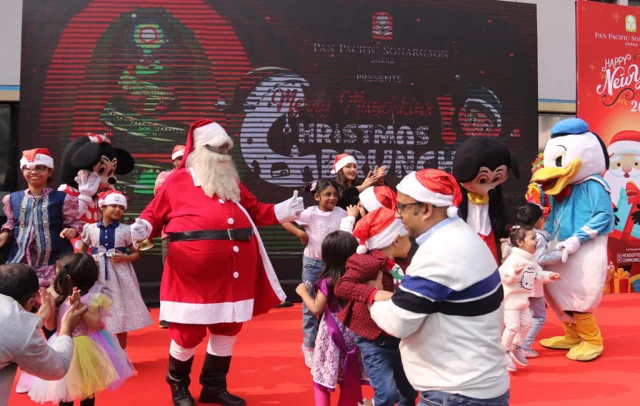
Christmas, popularly called “Bara Din (Big Day),” is celebrated with pomp in Dhaka and elsewhere in the country. Several day-long large gatherings are held at St. Mary’s Cathedral at Ramna, Portuguese Church at Tejgaon, Church of Bangladesh (Protestant) on Johnson Road, and Bangladesh Baptist Sangha at Sadarghat Dhaka. Functions include illumination of churches, decorating Christmas trees, and other Christian festivities.
❑ Buddha Purnima:
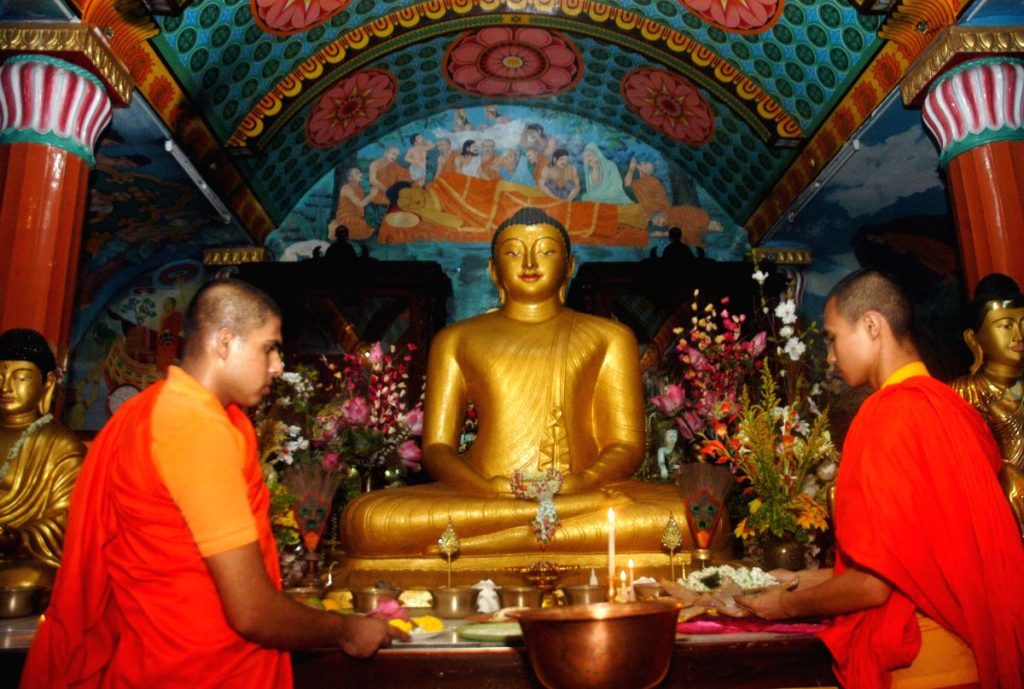
Buddha Purnima is celebrated by Buddhists of the country to celebrate the birthday of Gautam Buddha. They observe it annually according to the Gregorian calendar. On this day, the Buddhist temples are decorated. A fair is held outside of temples. Also, some music containing Buddha’s message is played. Finally, the believers attend the prayer, light candles, and recite the 3 jewels and 5 precepts.
❑ Langalbandh Mela:
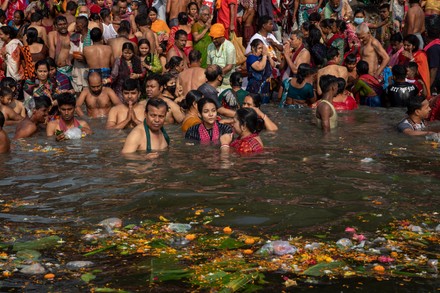
At a place near Sonargaon (about 27 km. from Dhaka), a very attractive festival is observed by the Hindu community every year on the last day of Chaittra (the last Bengali month)—mid-April, when the devotees take religious baths in the river.

 2 Nights - 3 Days